Quality History as a Reusable Manufacturing Asset
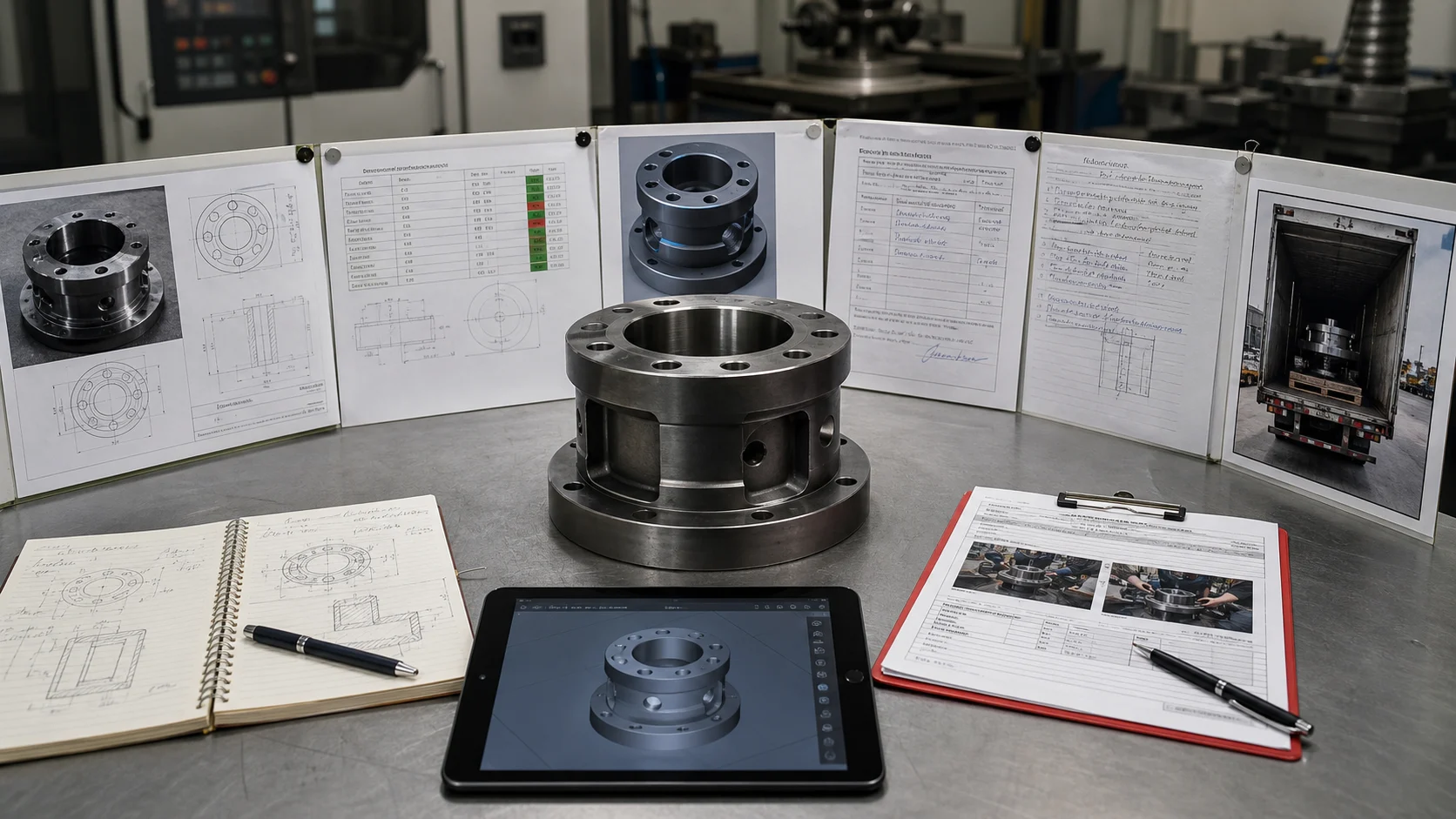
Quality history becomes valuable when requirements, configuration, process, material, inspection, exceptions, and release evidence remain linked to the product.
The American Manufacturing Compendium
Practical field guides for choosing processes, qualifying suppliers, defining requirements, and running work across American manufacturing.
Quality history becomes valuable when requirements, configuration, process, material, inspection, exceptions, and release evidence remain linked to the product.
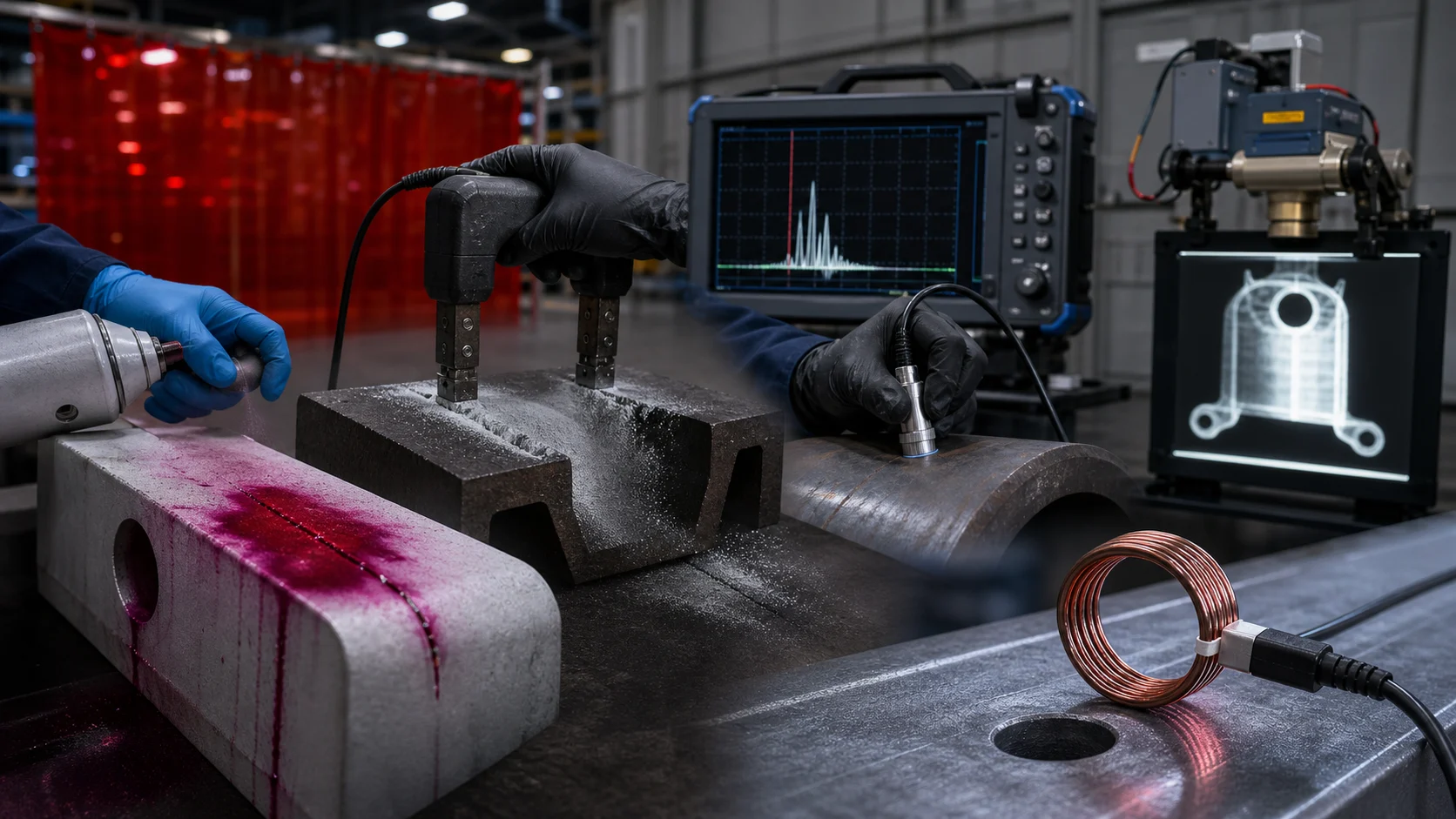
NDT method names do not define an inspection. The material, expected discontinuity, geometry, technique, coverage, personnel, and acceptance criteria do.
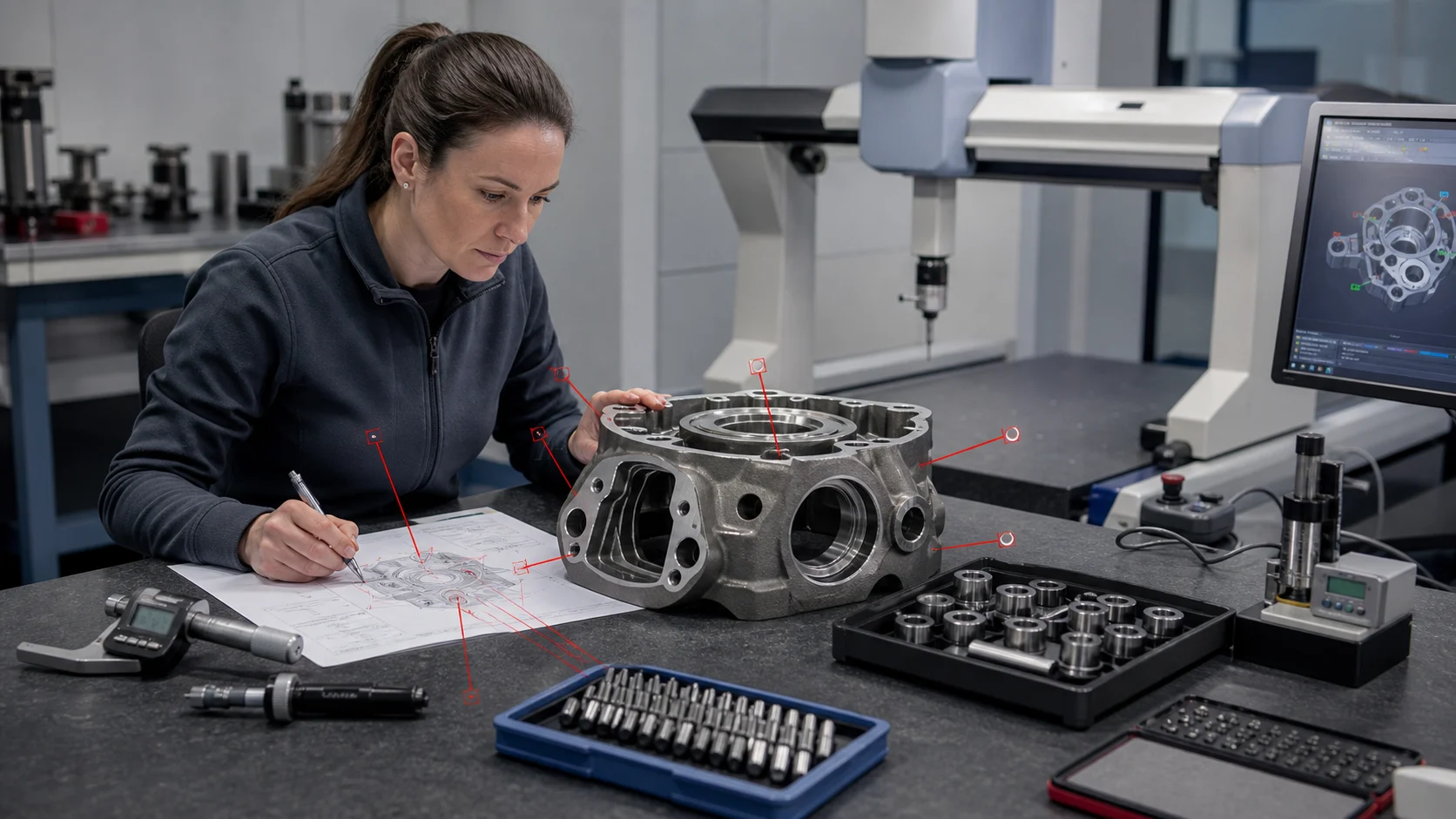
An inspection plan is not a list of dimensions. It is a controlled decision system connecting product risk, measurement capability, sampling, evidence, and reaction.
A quote-ready weldment package defines the finished assembly, the governing requirements, and the evidence needed to accept it—without forcing the fabricator to invent design intent.
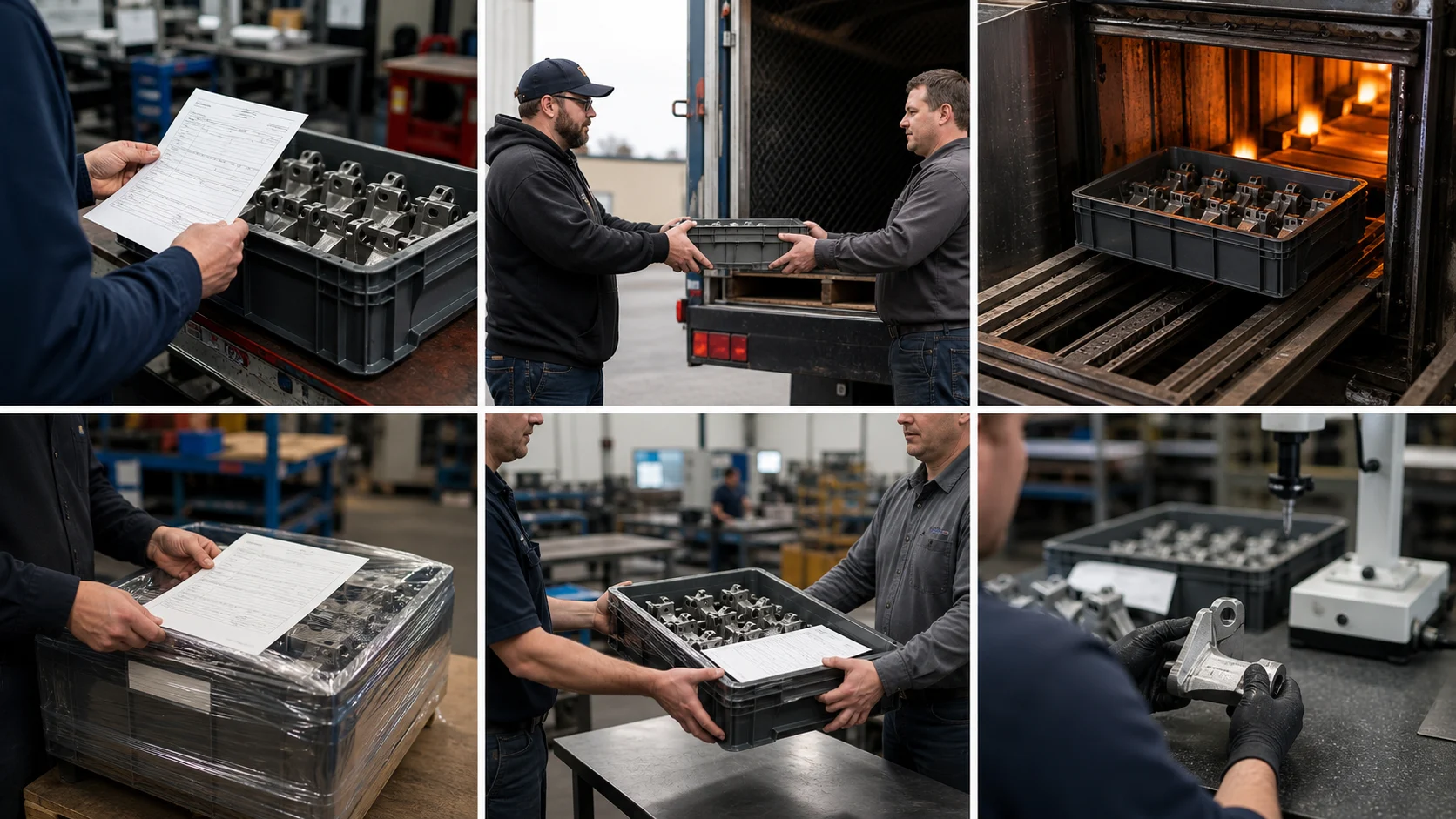
“At the vendor” is not a production status. Outside-process control must preserve lot identity, requirements, quantity, location, due date, evidence, and acceptance.
A valid certificate can establish that a management system was assessed within a defined scope. It cannot prove that your job is understood, capable, controlled, or desirable to the supplier.
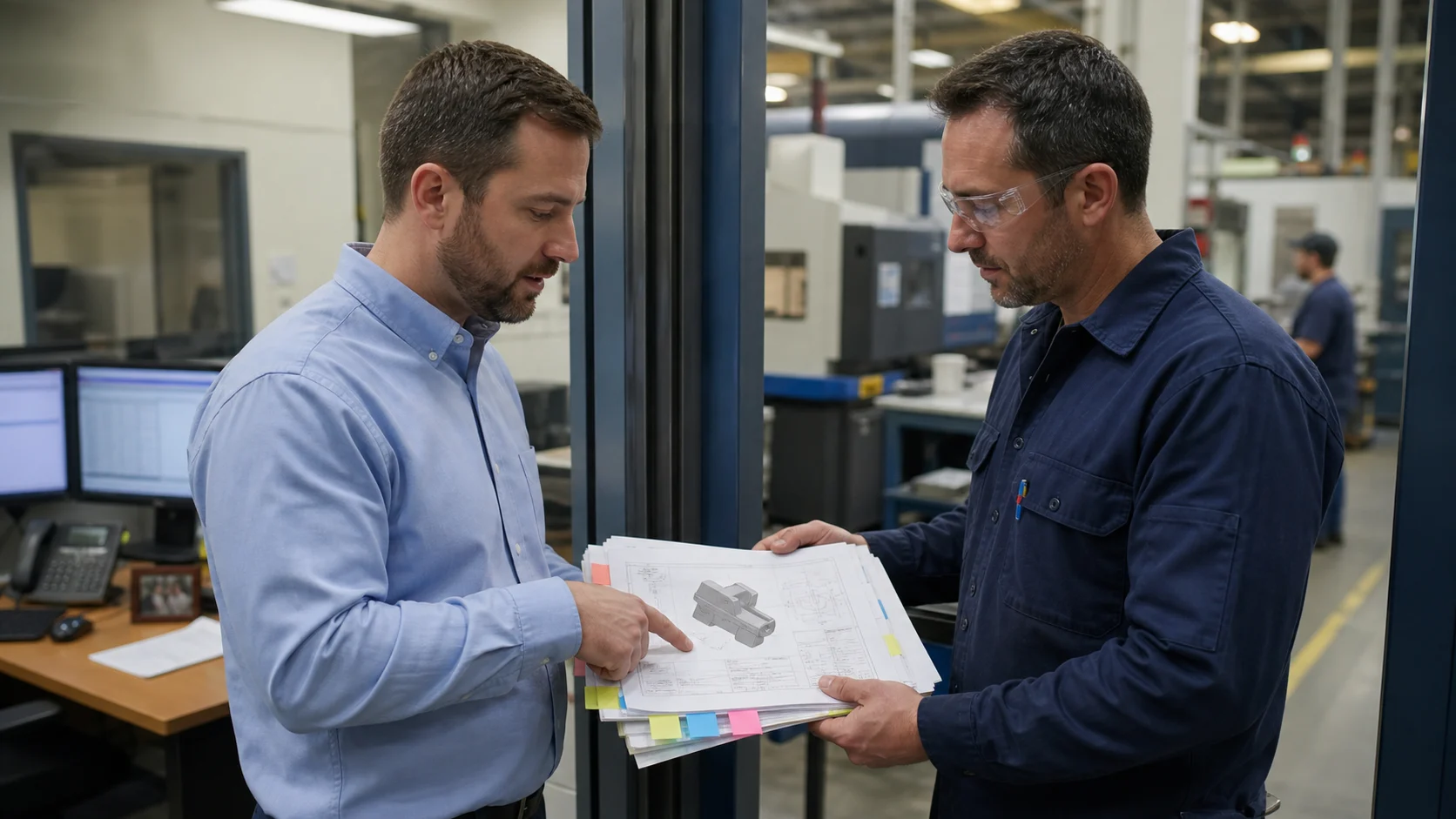
A quote becomes dangerous when its assumptions disappear before production. The handoff must convert commercial intent into an executable, controlled job record.
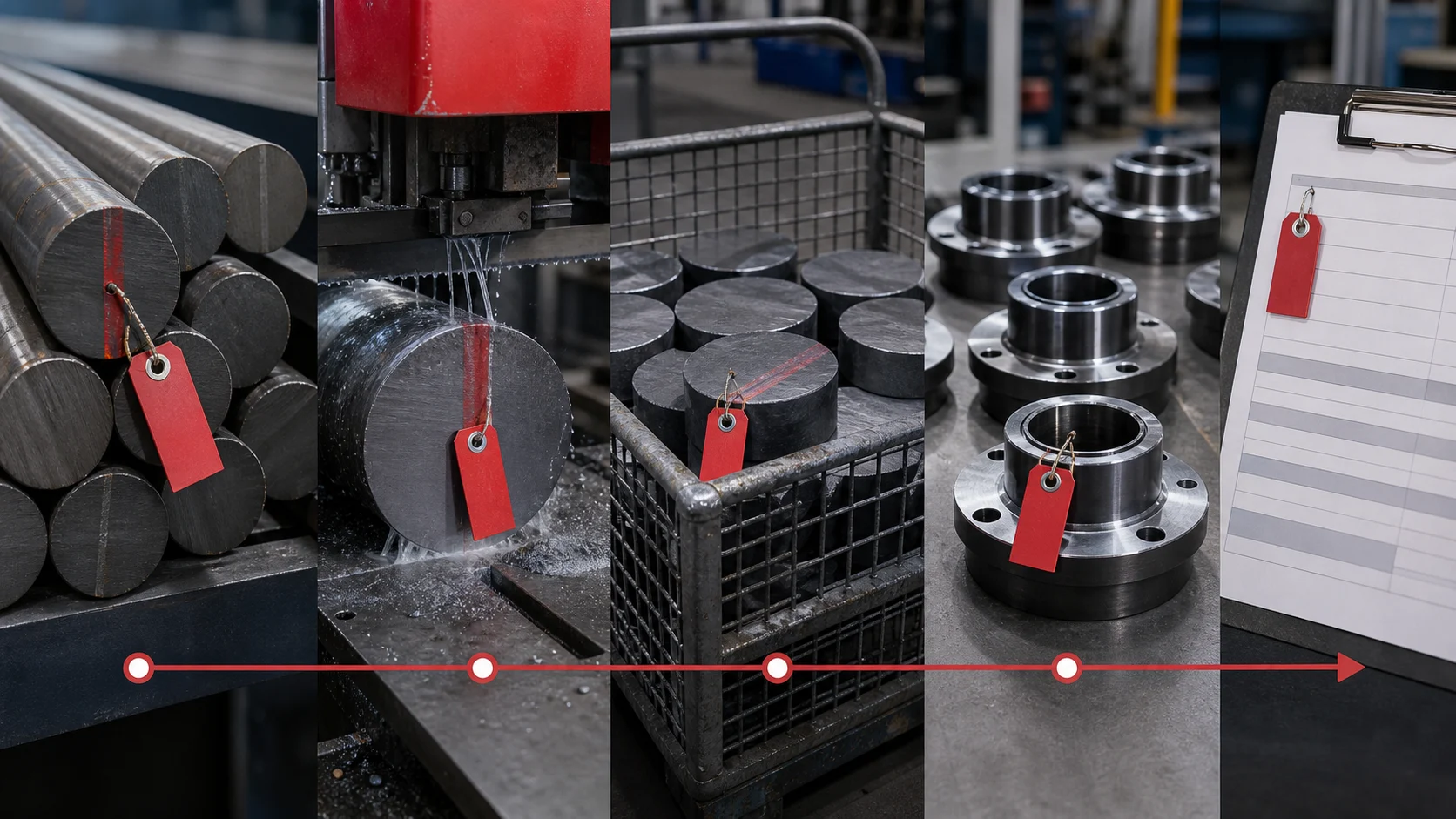
Material traceability fails when identity is separated from the physical material—not when a certificate is missing from a filing cabinet.
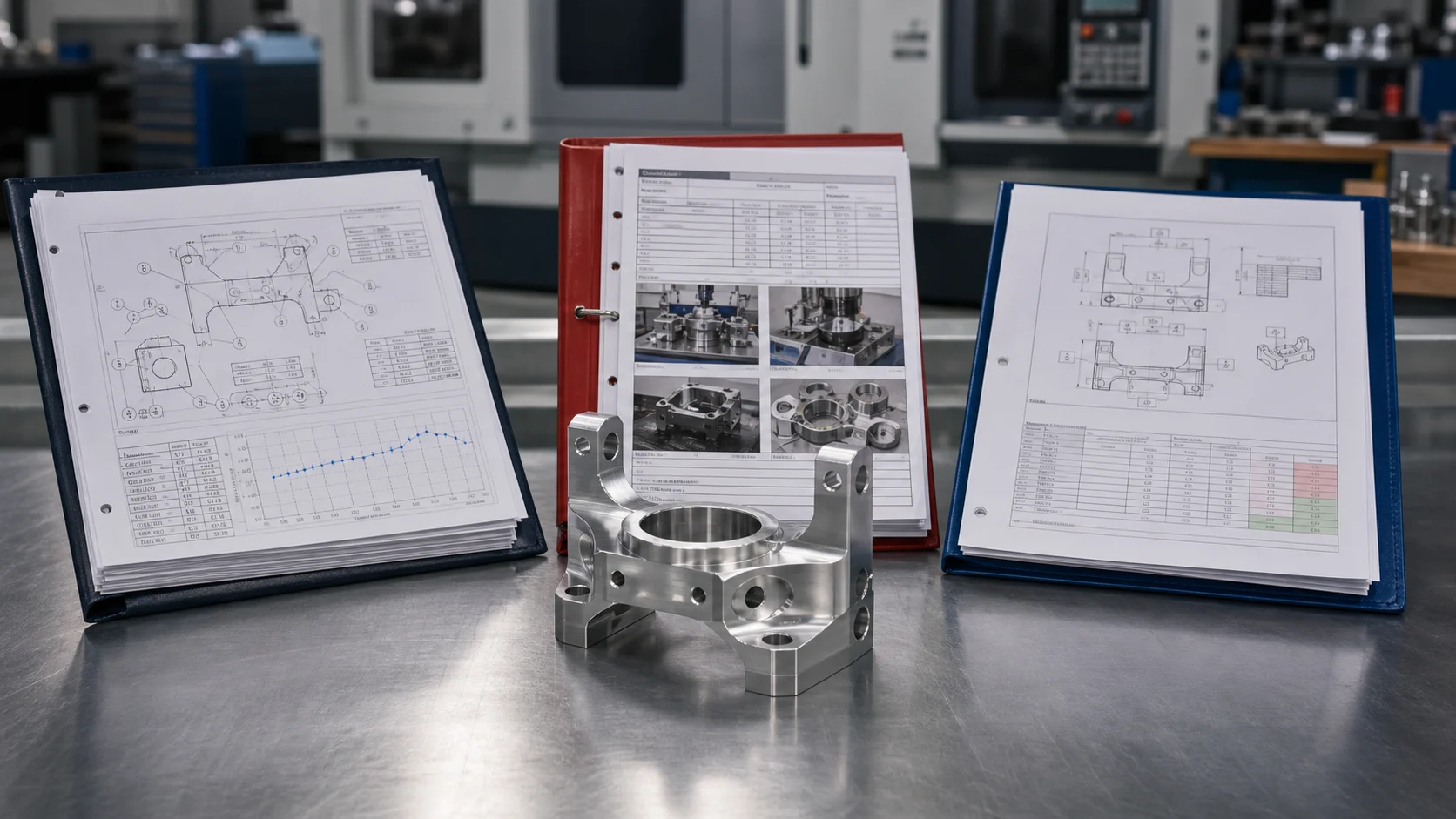
FAI, PPAP, and dimensional reports can contain overlapping measurements, but they answer different approval and manufacturing-control questions.
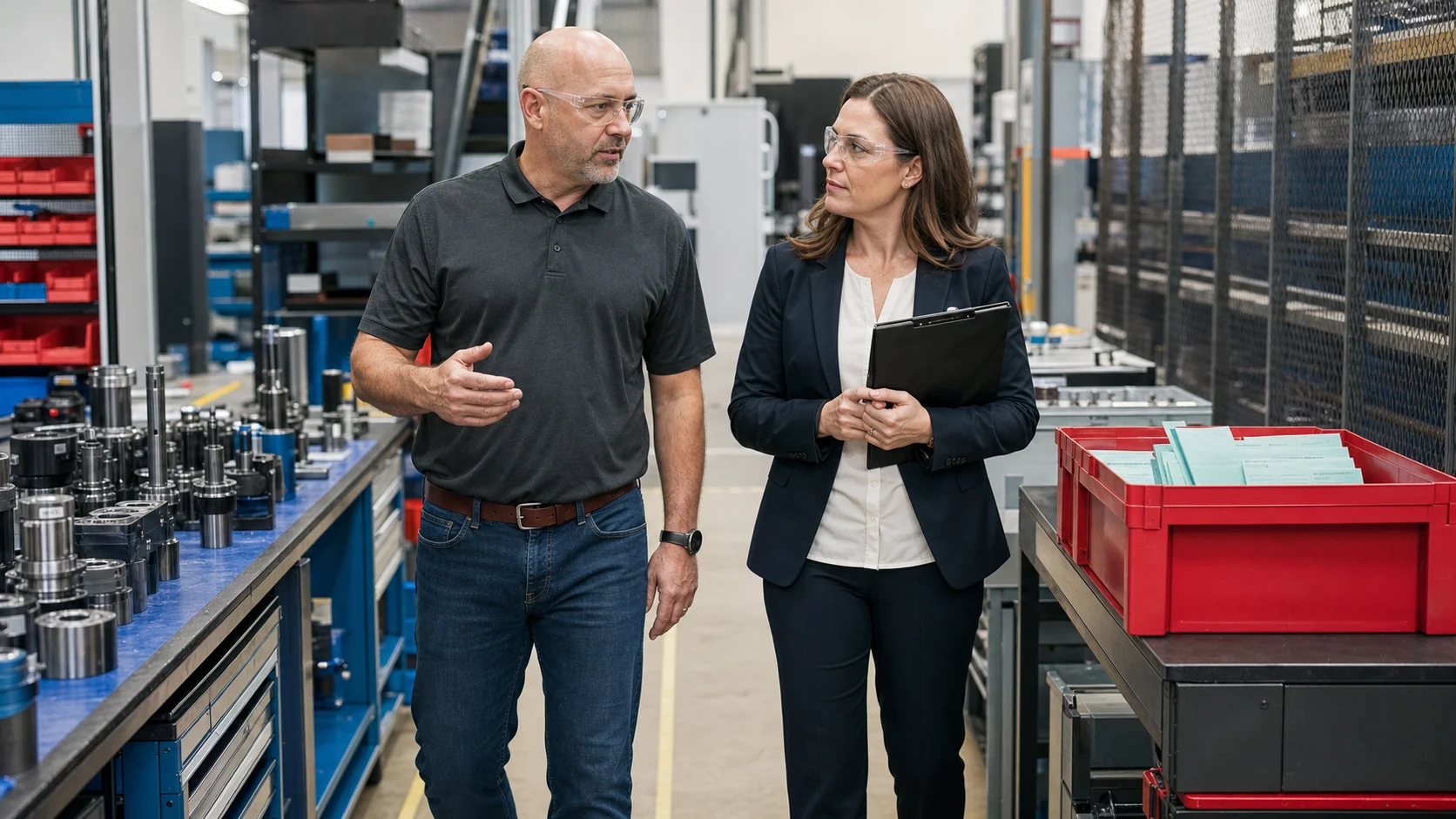
Tips and strategies for establishing successful partnerships between buyers and manufacturers.