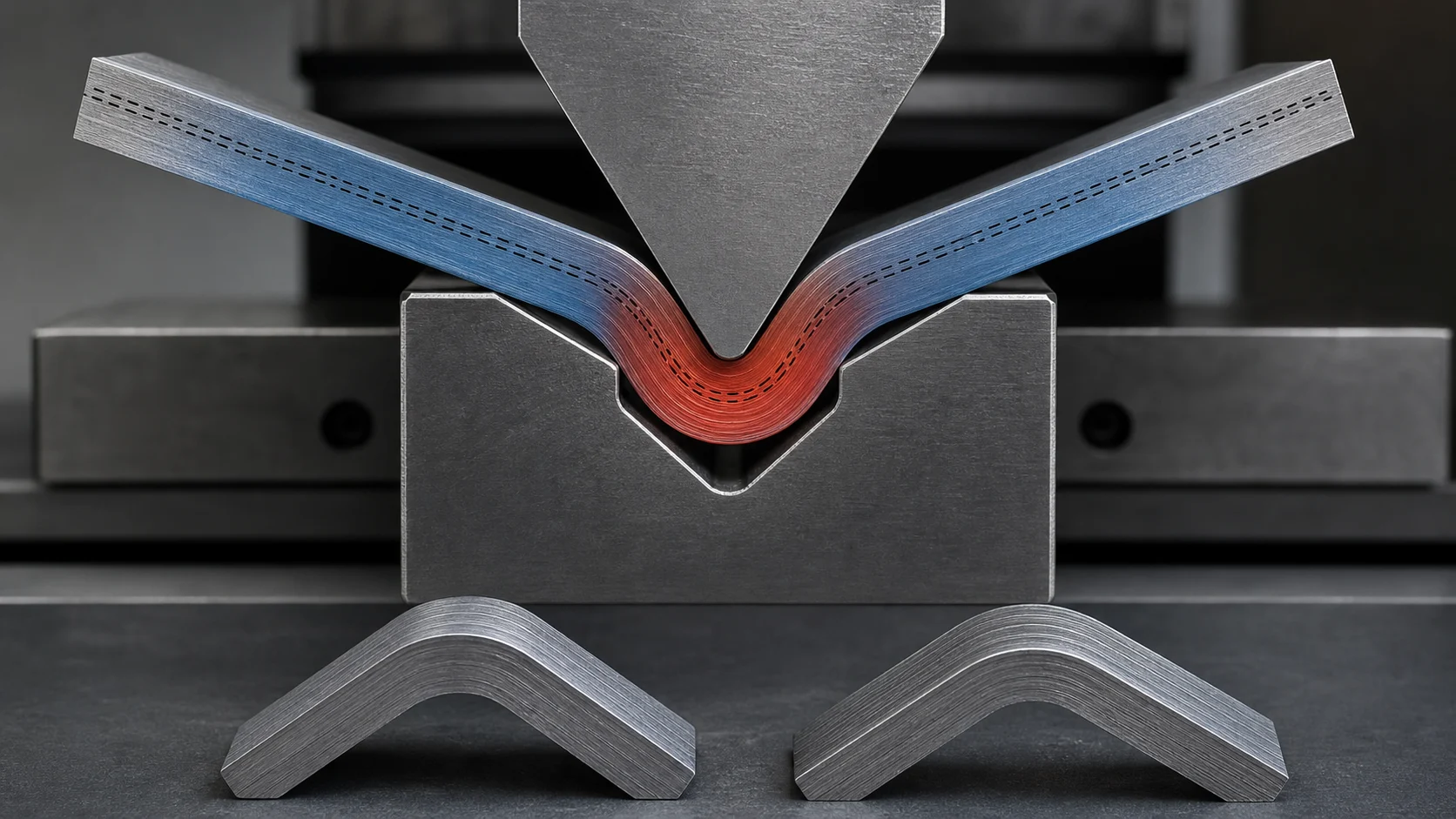
Sheet Metal Bending: Bend Radius, K-Factor, and Grain Direction
Bend radius, K-factor, and grain direction are linked to the actual material and tooling route. They should not be copied from a generic chart without shop validation.
The American Manufacturing Compendium
Practical field guides for choosing processes, qualifying suppliers, defining requirements, and running work across American manufacturing.
Bend radius, K-factor, and grain direction are linked to the actual material and tooling route. They should not be copied from a generic chart without shop validation.
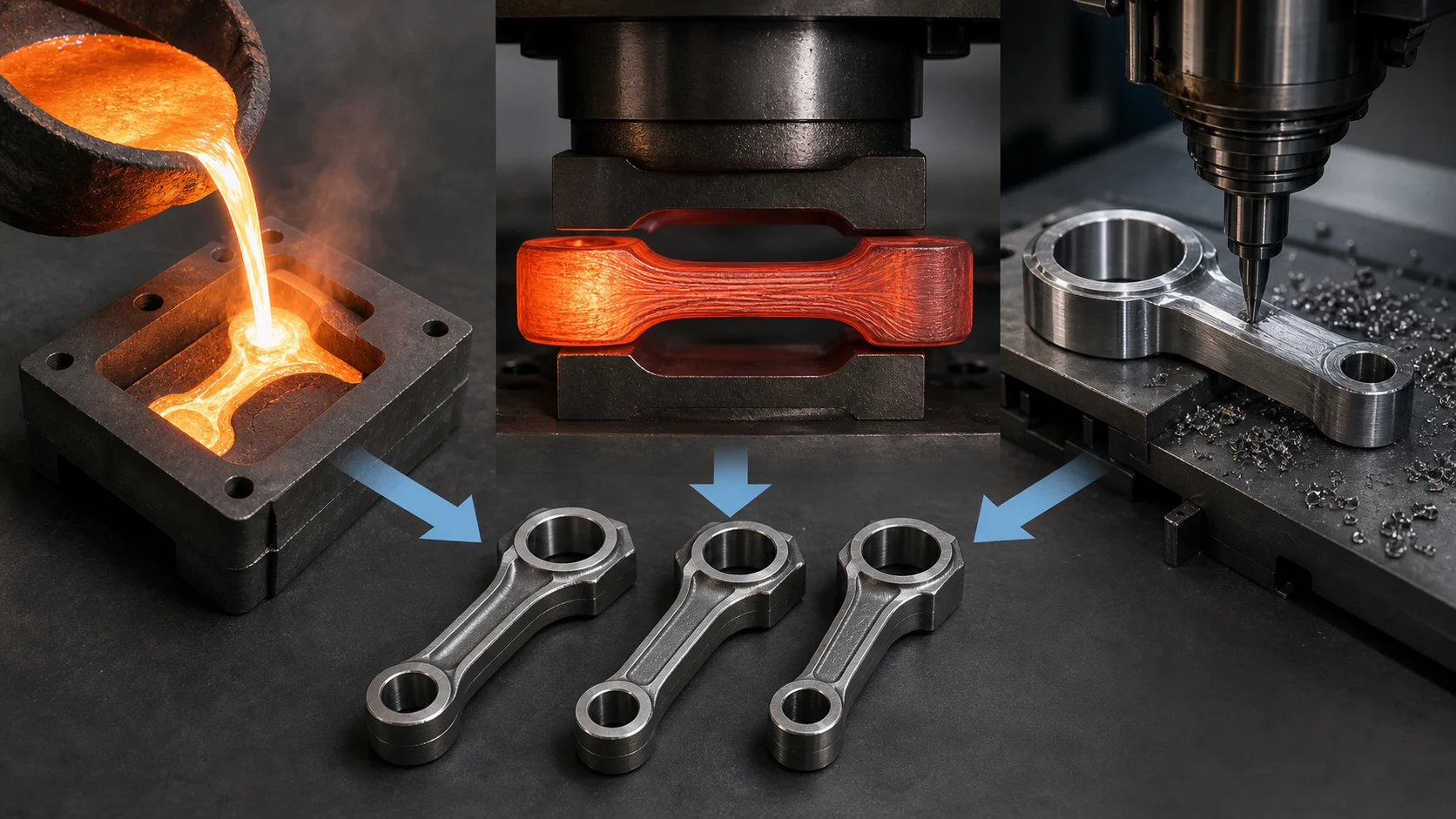
Select the starting process around the complete part route. Most production components are not cast, forged, or machined—they are cast or forged and then machined.
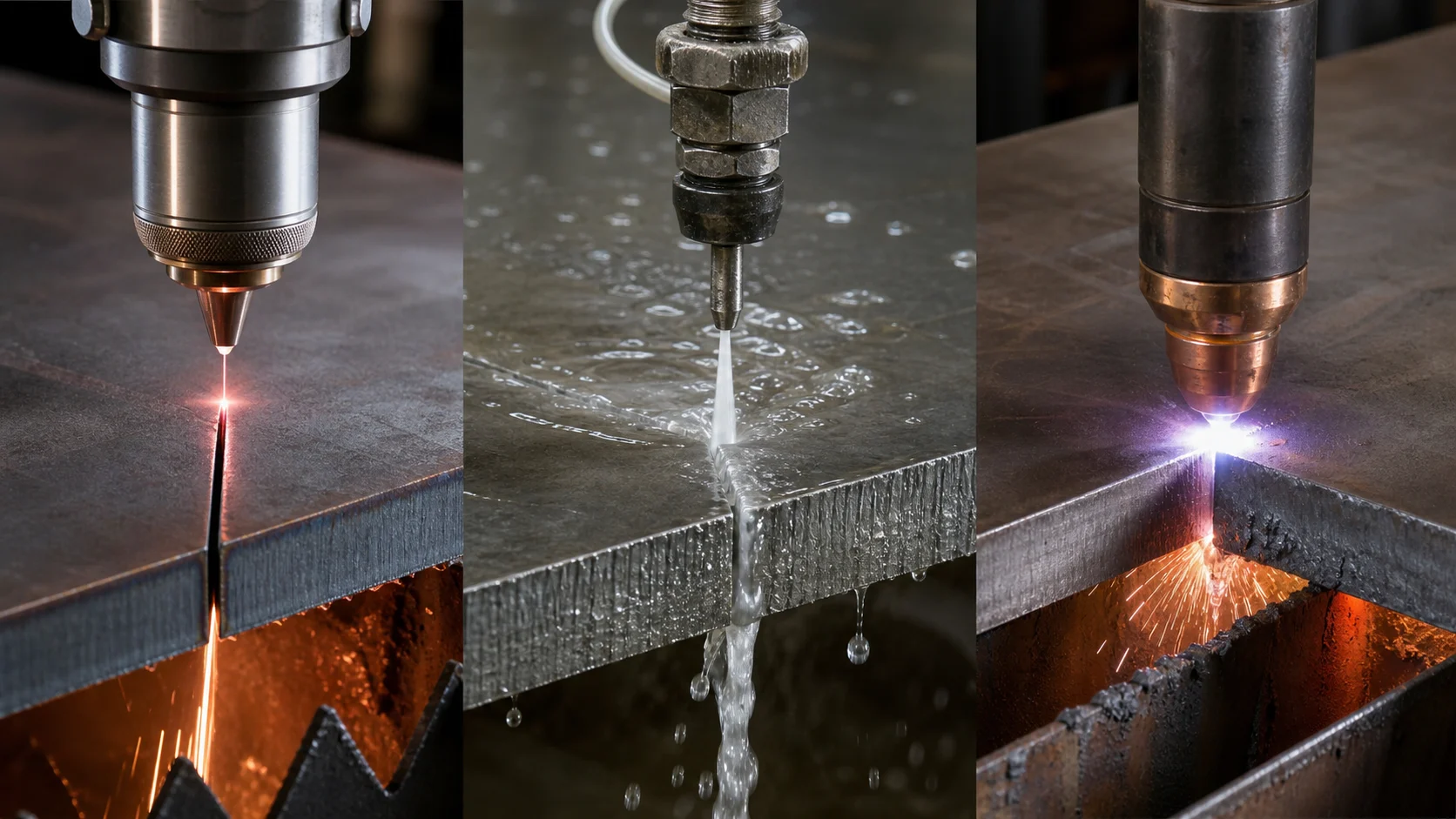
The right profile-cutting process is the one that produces an acceptable downstream part—not the one with the most impressive catalog tolerance.
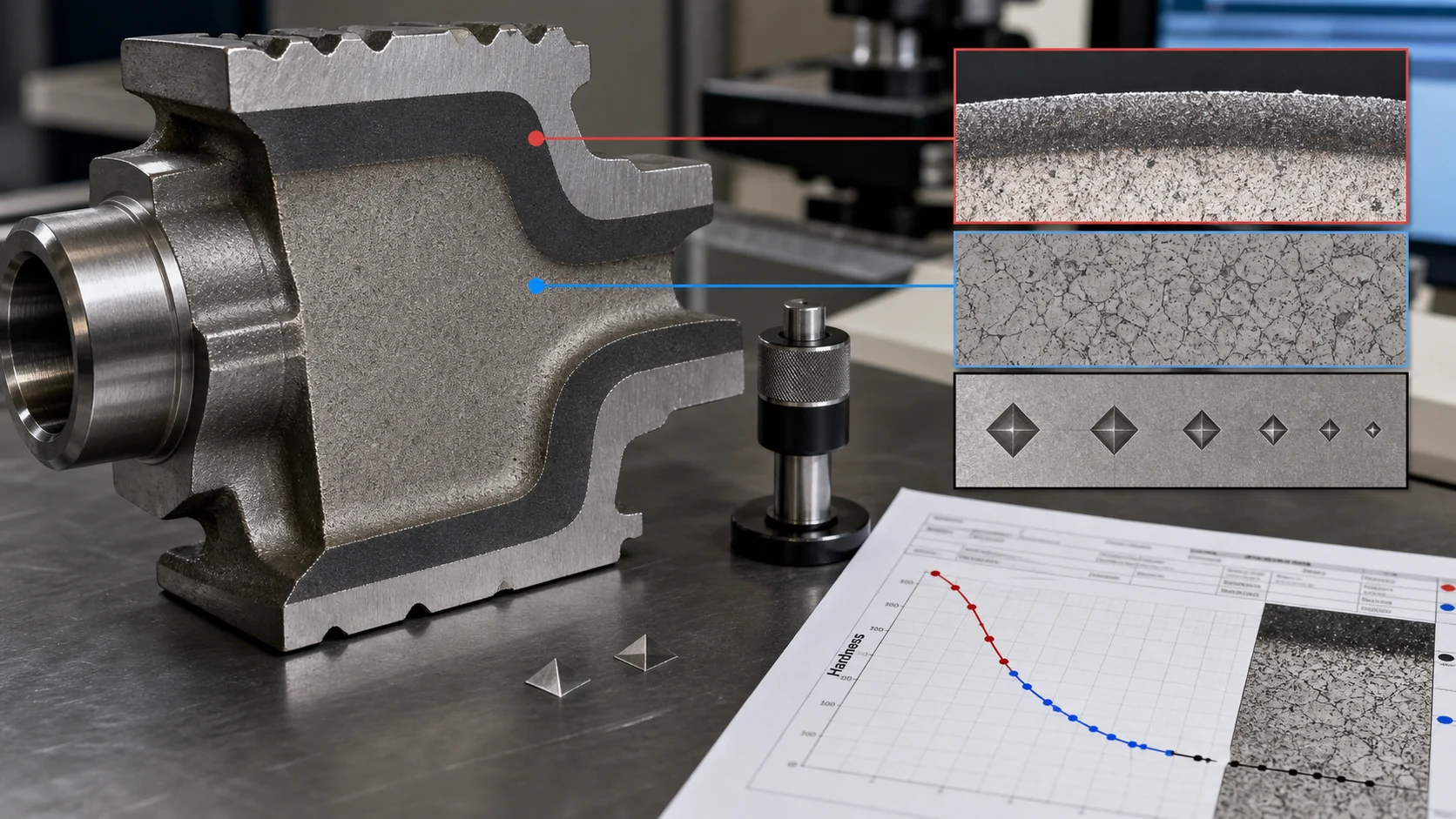
A heat-treatment callout must define the finished metallurgical condition and acceptance evidence—not merely name a familiar process.
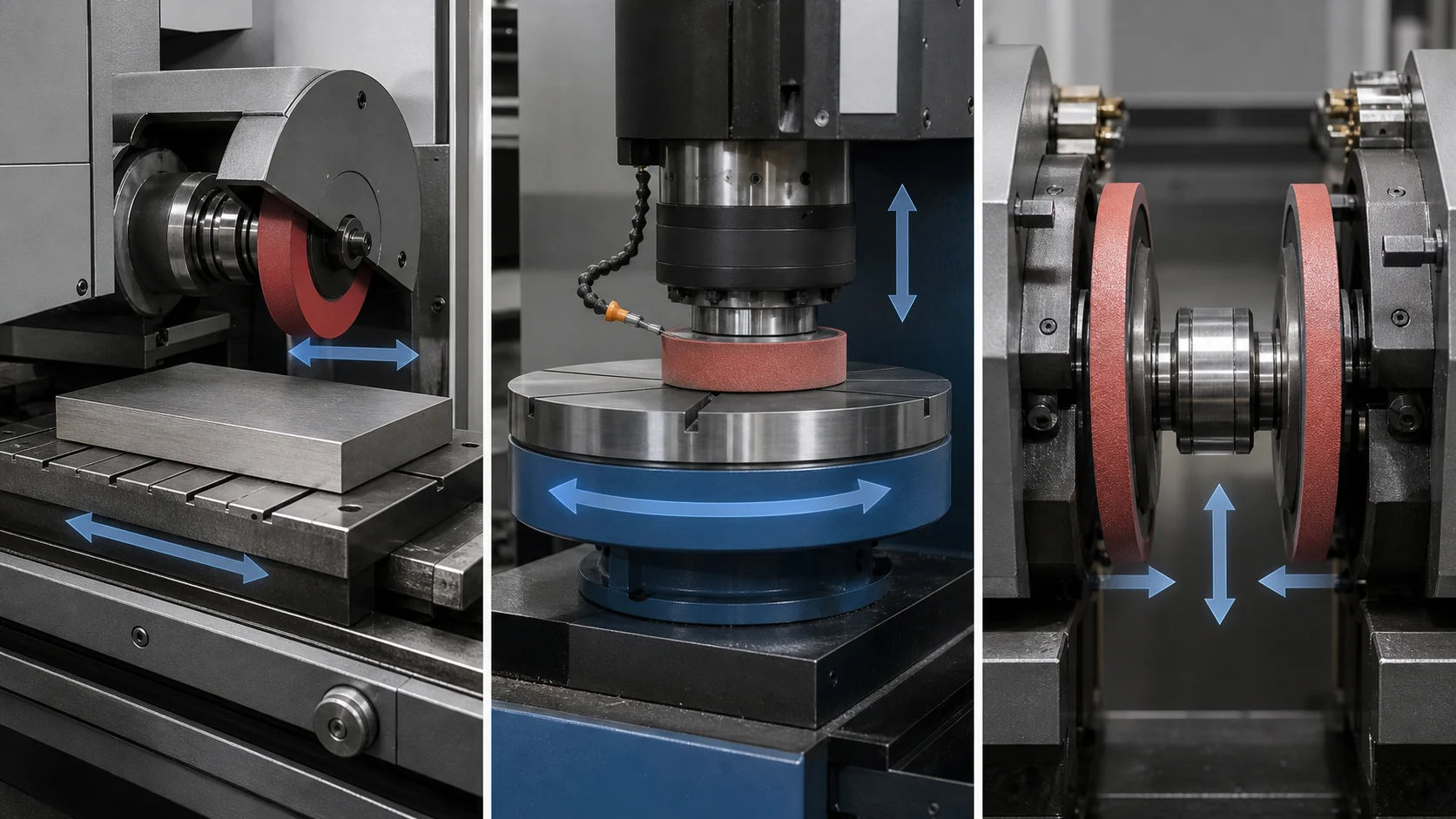
Surface grinding is not one machine configuration. Table motion, spindle orientation, wheel contact, workholding, and whether one or two faces are ground change the process.
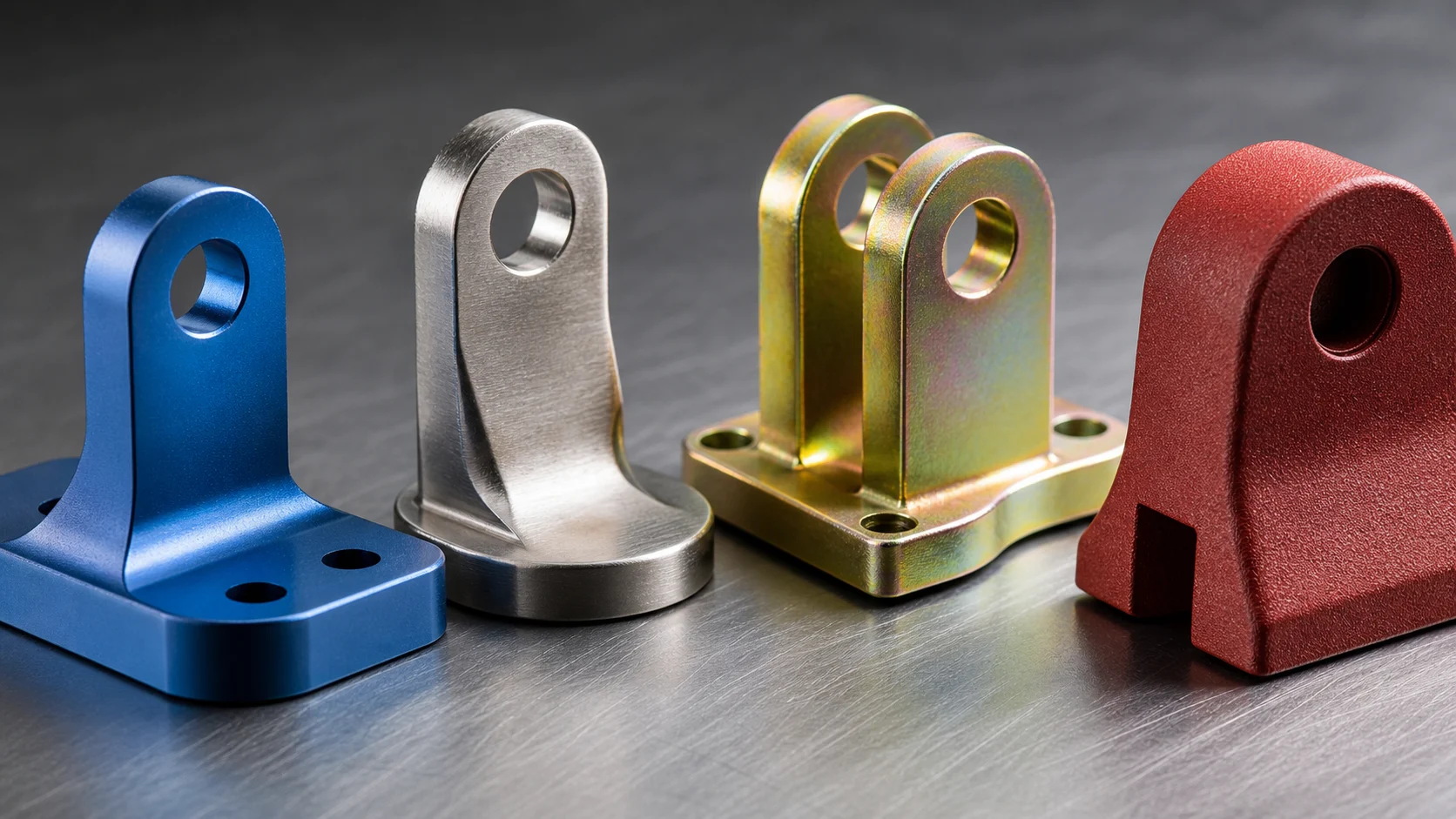
Anodizing, passivation, plating, and powder coating are not interchangeable finishes. They modify or add to different substrates for different functional outcomes.
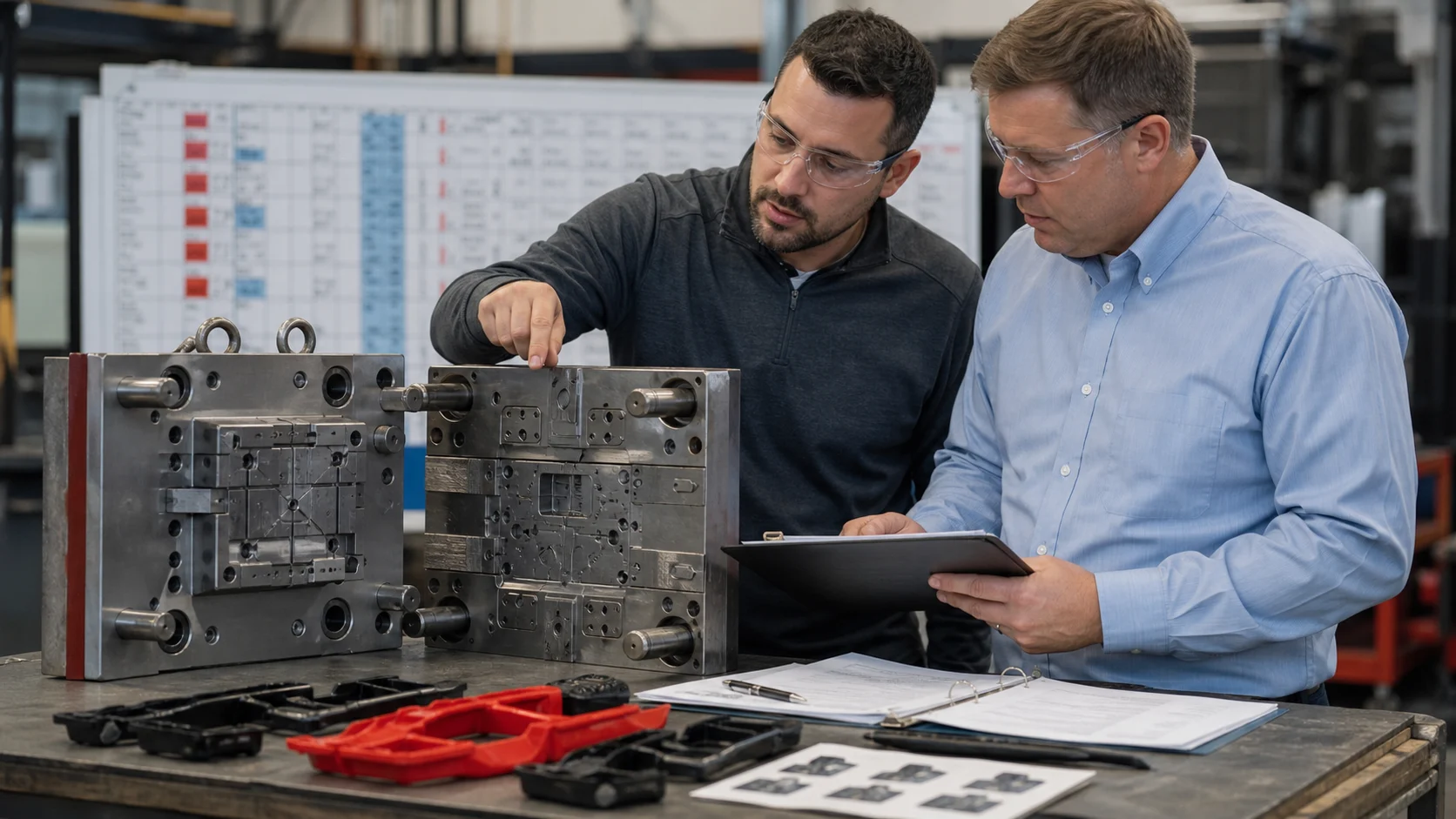
An injection molding supplier is not qualified by press tonnage alone. The mold, resin, process window, automation, validation, maintenance, and release pattern must work as one production system.
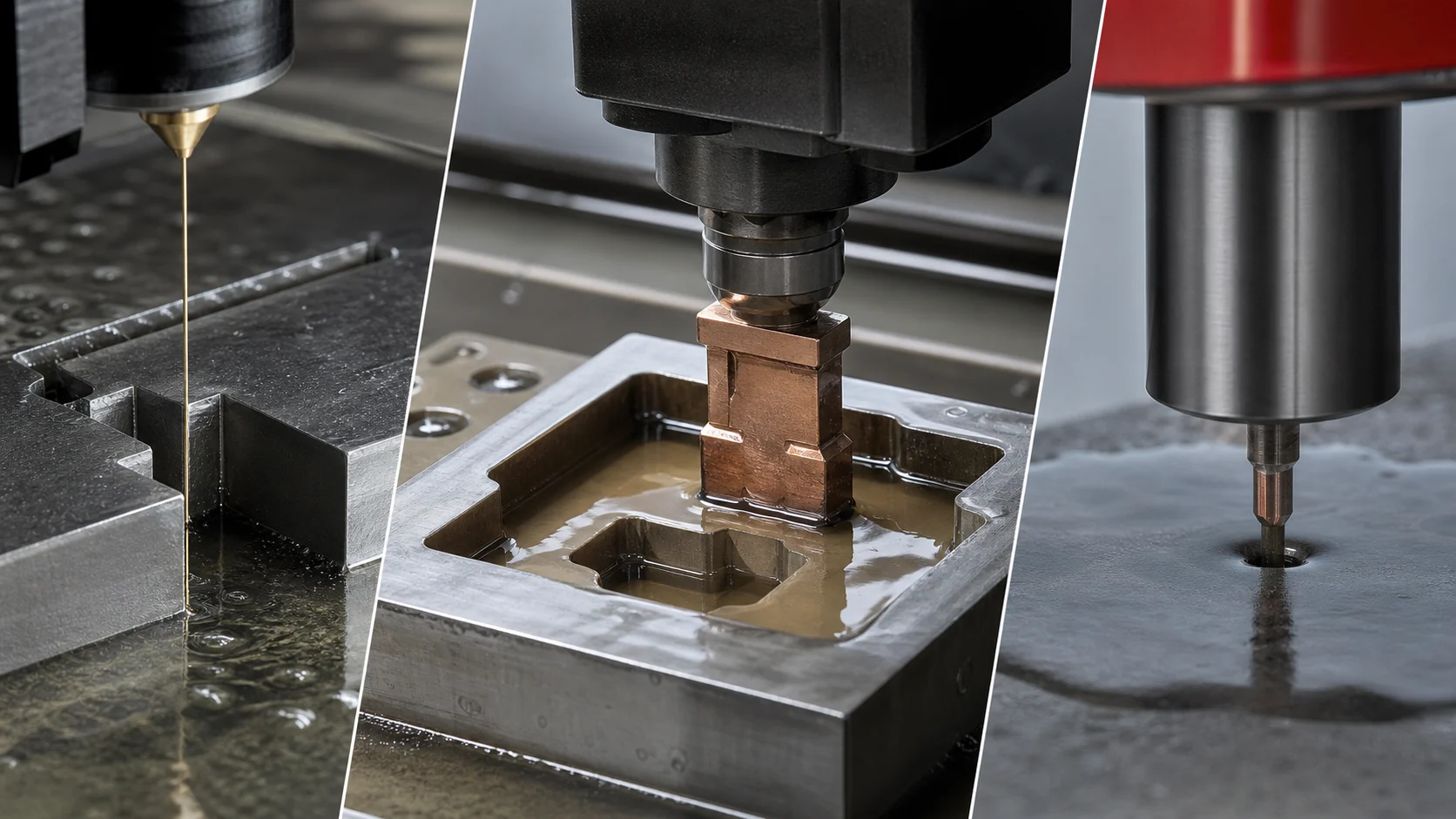
Wire, sinker, and hole-drilling EDM use controlled electrical discharges, but their electrodes and access paths make them useful for very different geometry.
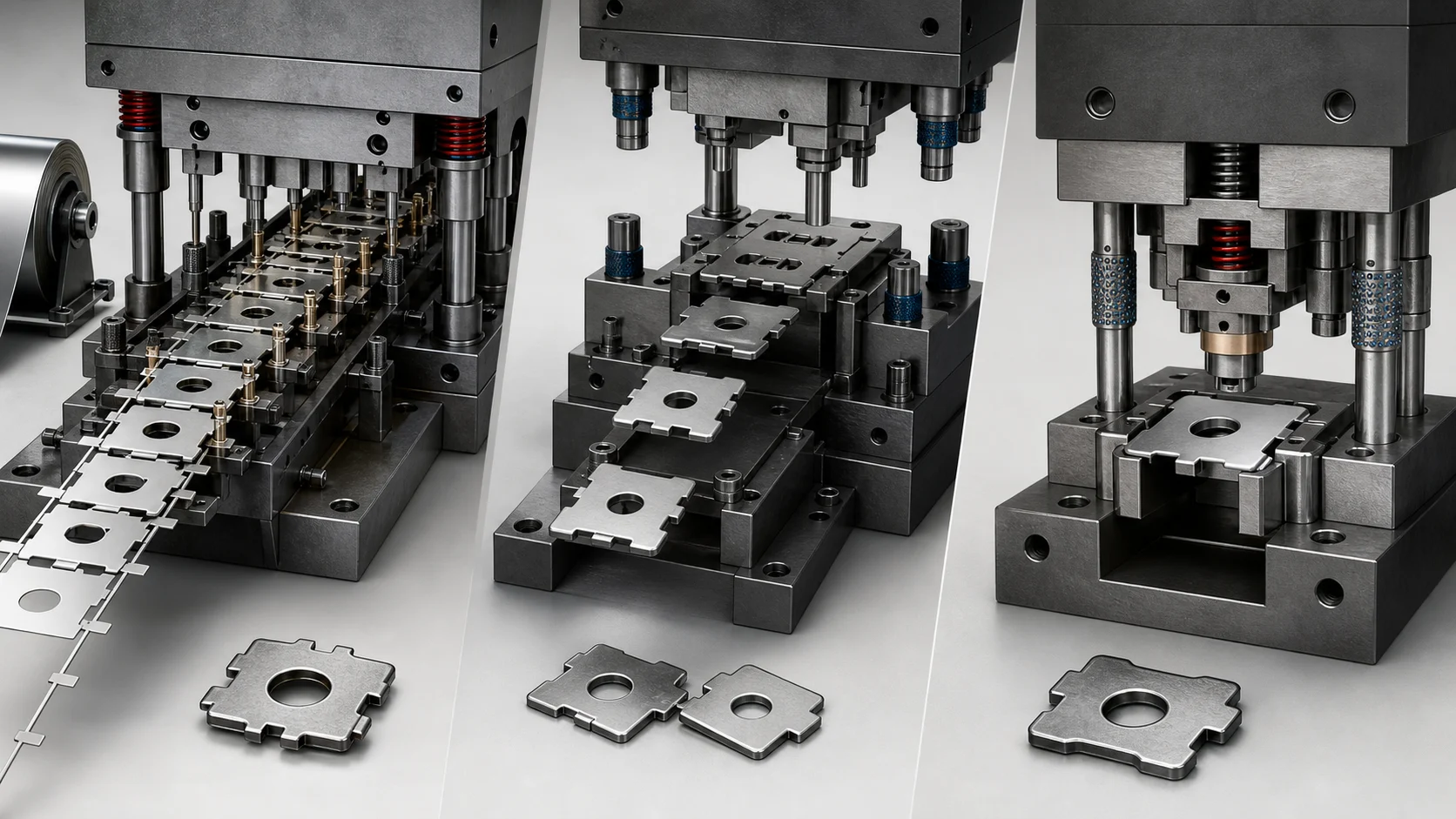
Progressive, transfer, and compound dies do not describe three quality levels. They describe different ways to move material and divide cutting and forming work across a press cycle.
A focused U.S. only manufacturing supplier search helps buyers clarify their RFQ, avoid generic supplier lists, and approach American manufacturers with a cleaner request.
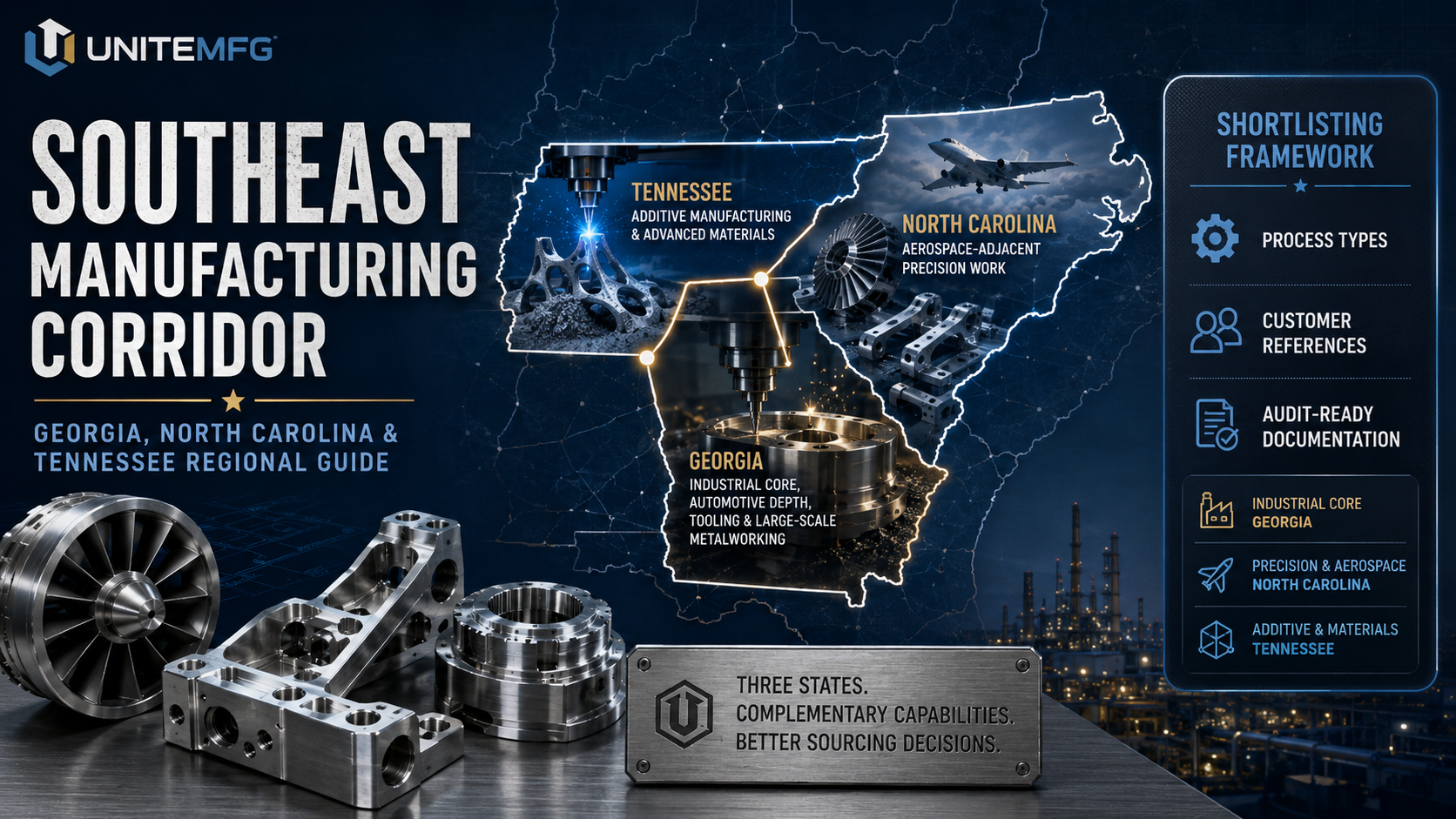
This guide helps procurement teams compare the three-state Southeast manufacturing corridor—Georgia, North Carolina, and Tennessee—when sourcing aerospace-adjacent components or precision parts domestically.
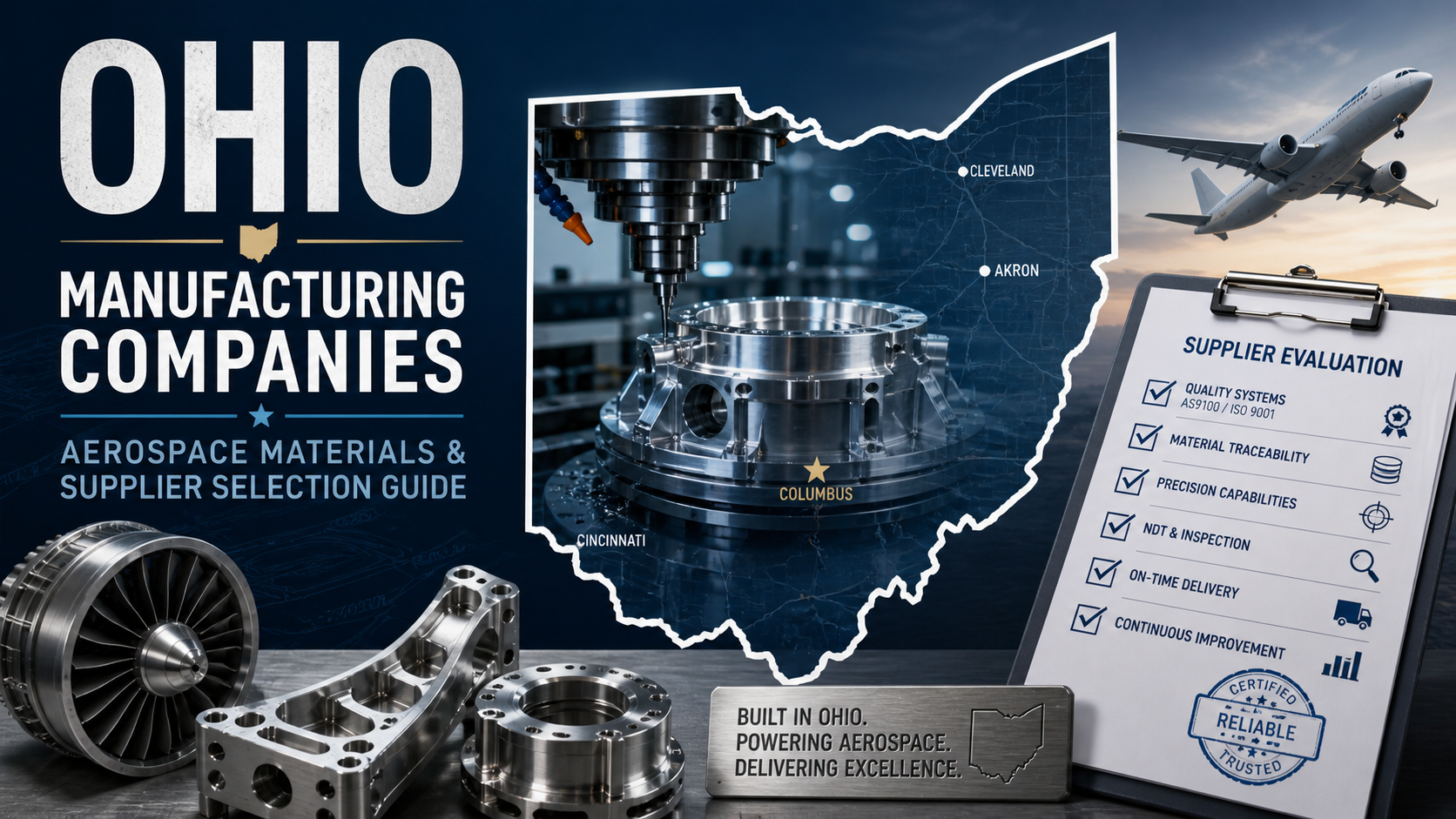
A buyer-memo guide helping procurement teams evaluate Ohio as a U.S. domestic sourcing region—focused on what capabilities actually exist and how to verify supplier claims before committing a purchase order.
Page 1 of 2 · 18 articles