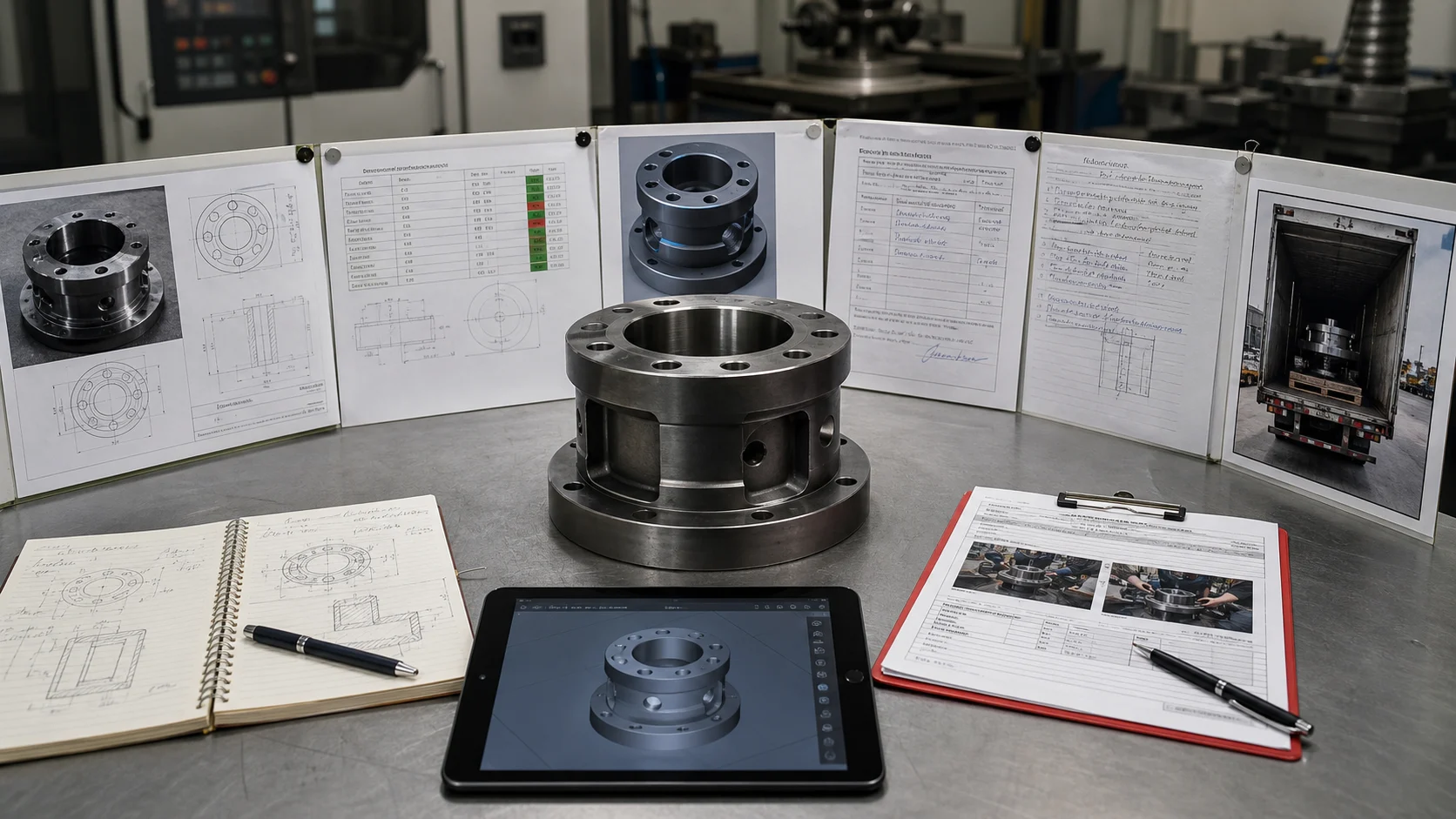
Quality History as a Reusable Manufacturing Asset
Quality history becomes valuable when requirements, configuration, process, material, inspection, exceptions, and release evidence remain linked to the product.
The American Manufacturing Compendium
Practical field guides for choosing processes, qualifying suppliers, defining requirements, and running work across American manufacturing.
Quality history becomes valuable when requirements, configuration, process, material, inspection, exceptions, and release evidence remain linked to the product.
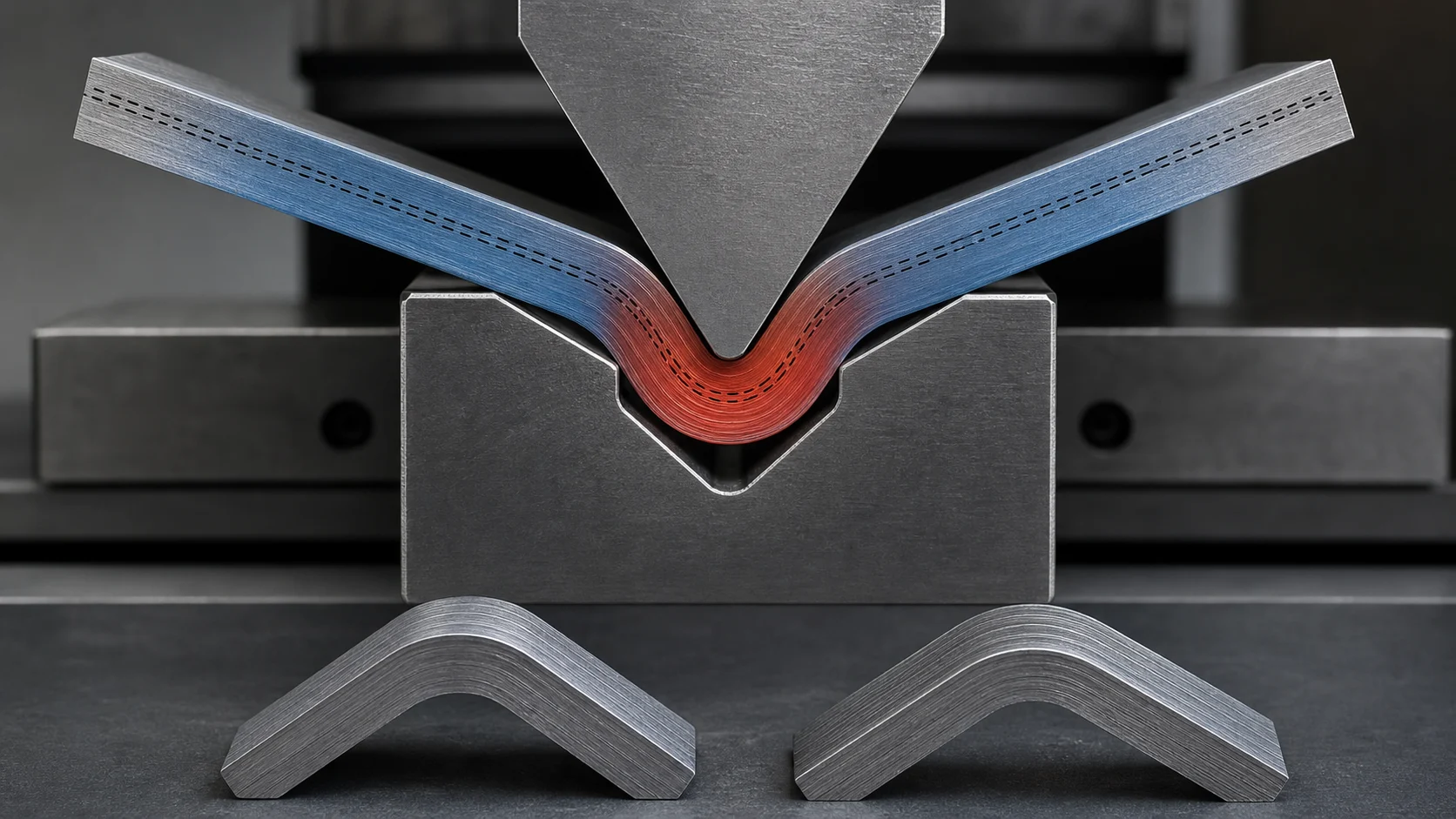
Bend radius, K-factor, and grain direction are linked to the actual material and tooling route. They should not be copied from a generic chart without shop validation.
Start with the device, regulatory role, and manufacturing route. “Medical experience” is not a transferable capability until the exact facility and responsibilities are verified.
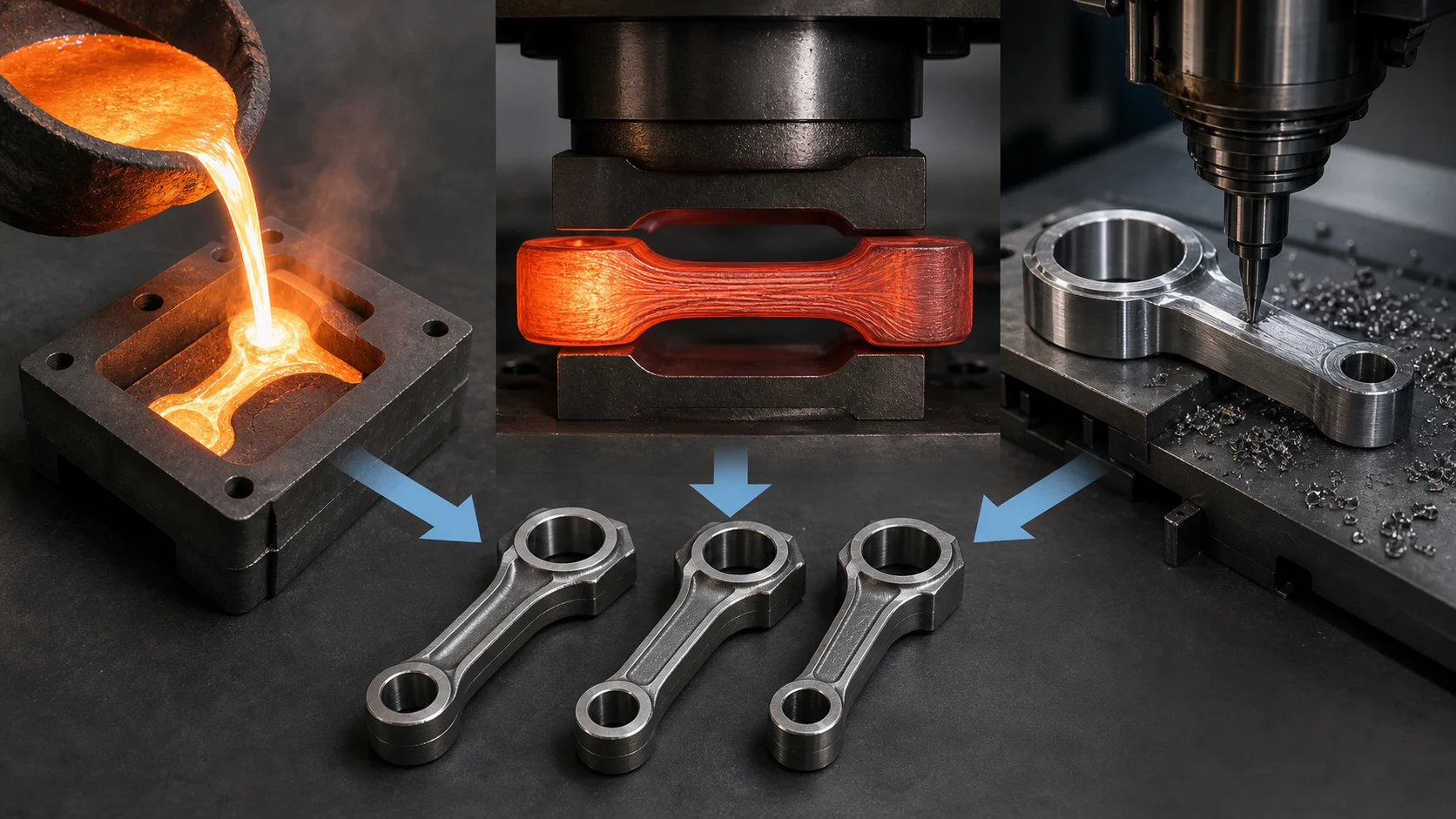
Select the starting process around the complete part route. Most production components are not cast, forged, or machined—they are cast or forged and then machined.
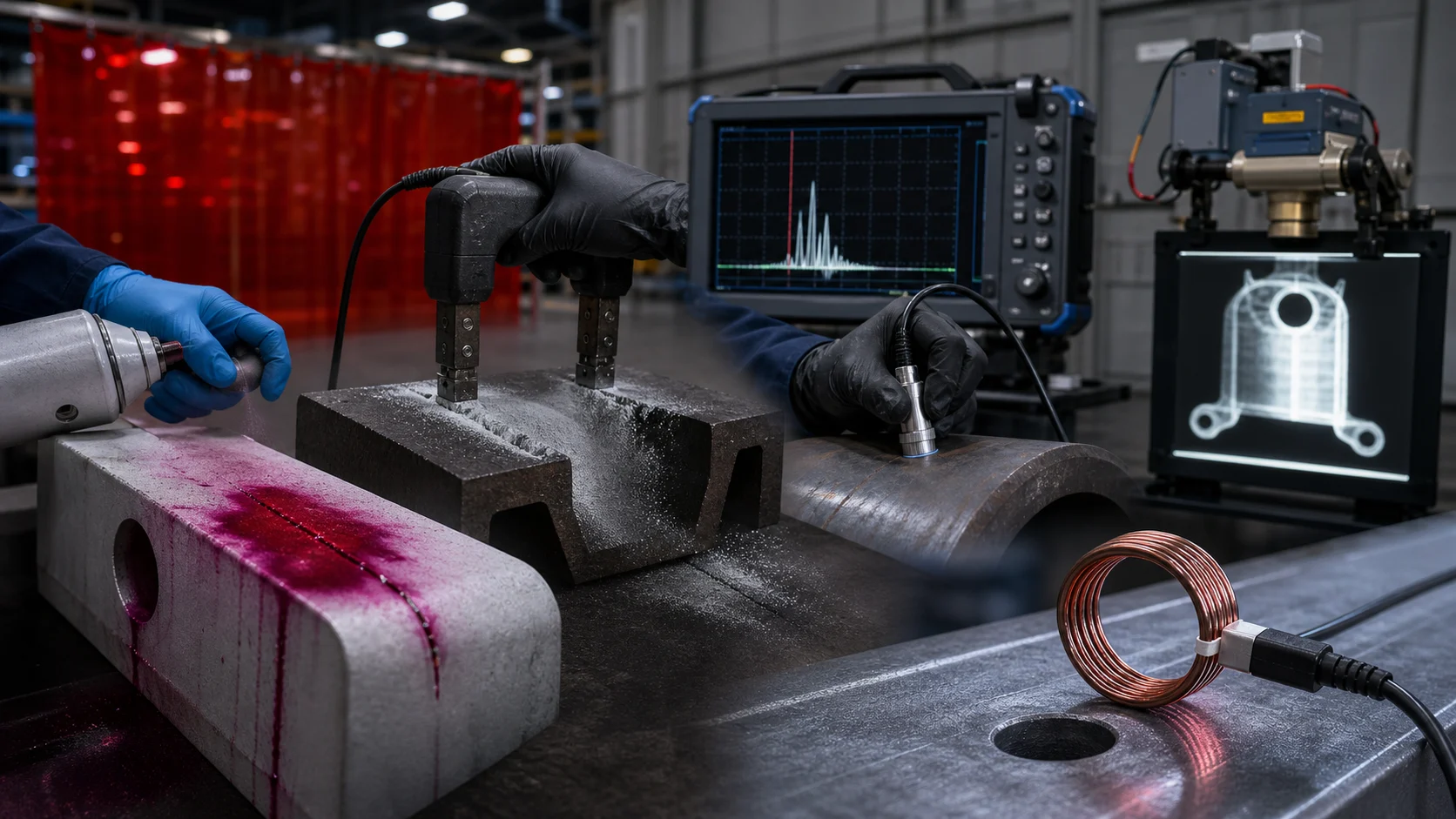
NDT method names do not define an inspection. The material, expected discontinuity, geometry, technique, coverage, personnel, and acceptance criteria do.
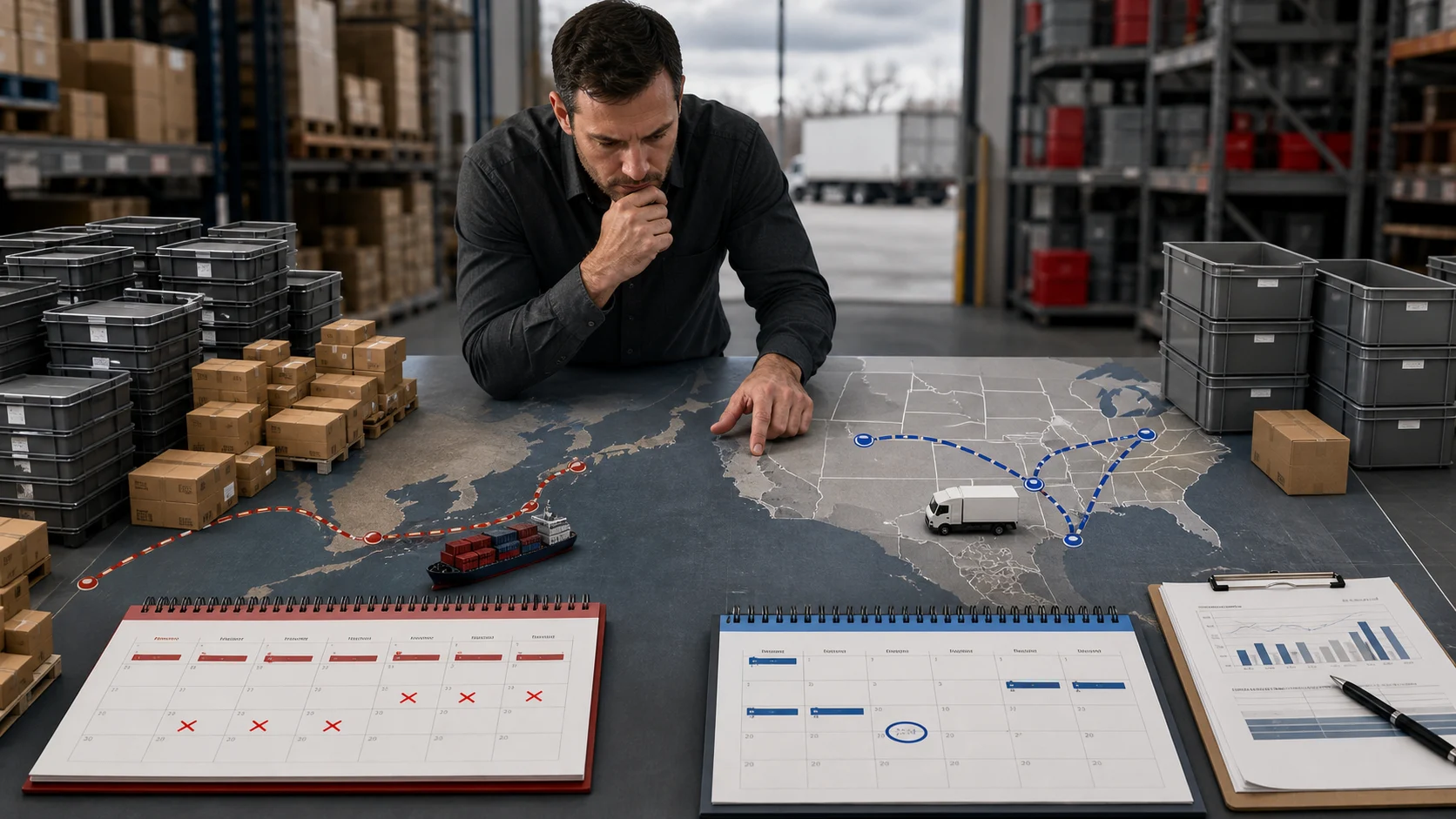
Unit price is one line in a sourcing decision. The operating route determines how much cash, schedule, quality, and recovery capacity the company actually buys.
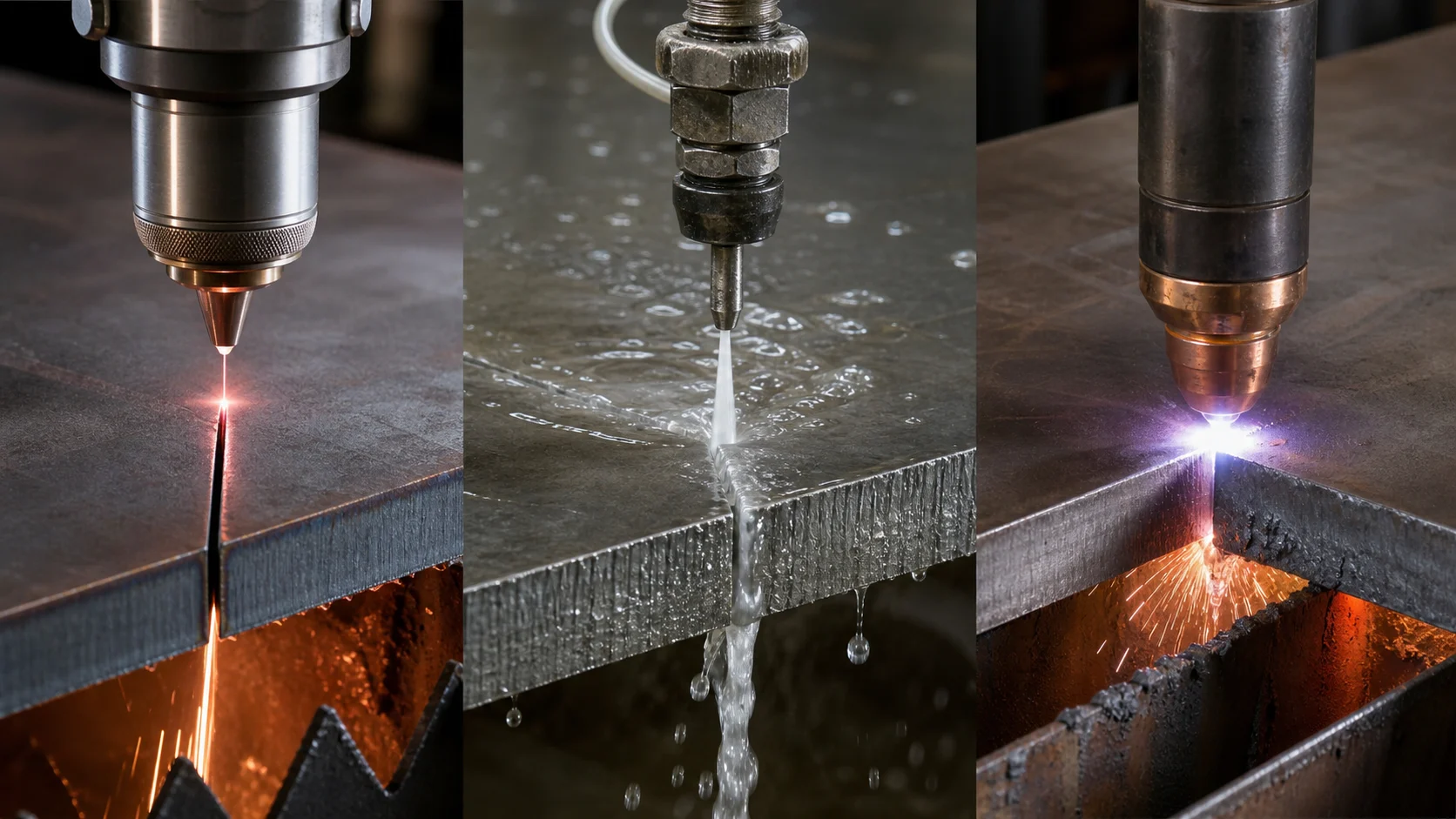
The right profile-cutting process is the one that produces an acceptable downstream part—not the one with the most impressive catalog tolerance.
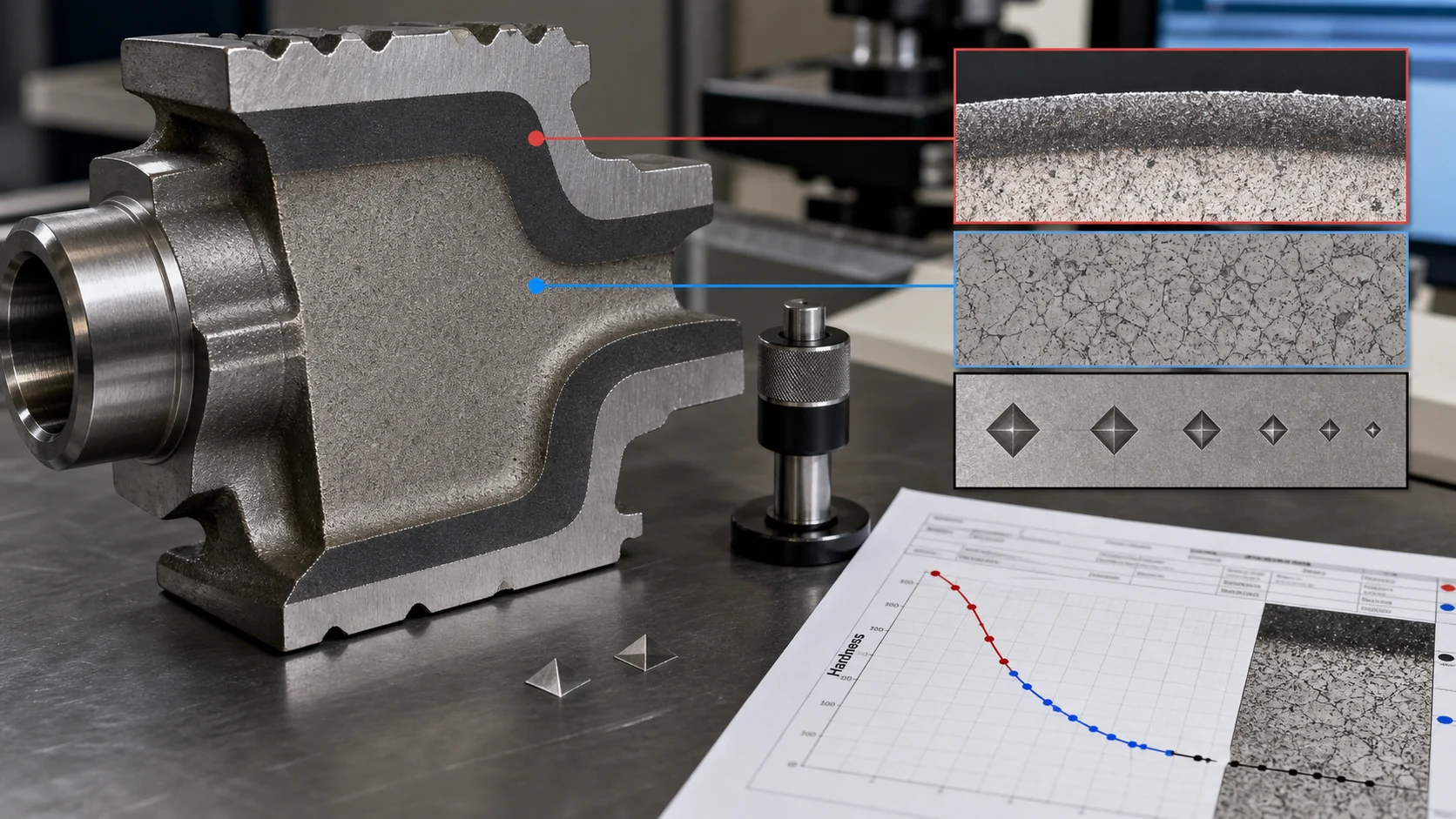
A heat-treatment callout must define the finished metallurgical condition and acceptance evidence—not merely name a familiar process.
The Southeast is not one supplier market. Treat it as a connected set of manufacturing systems and verify capability at the establishment level.
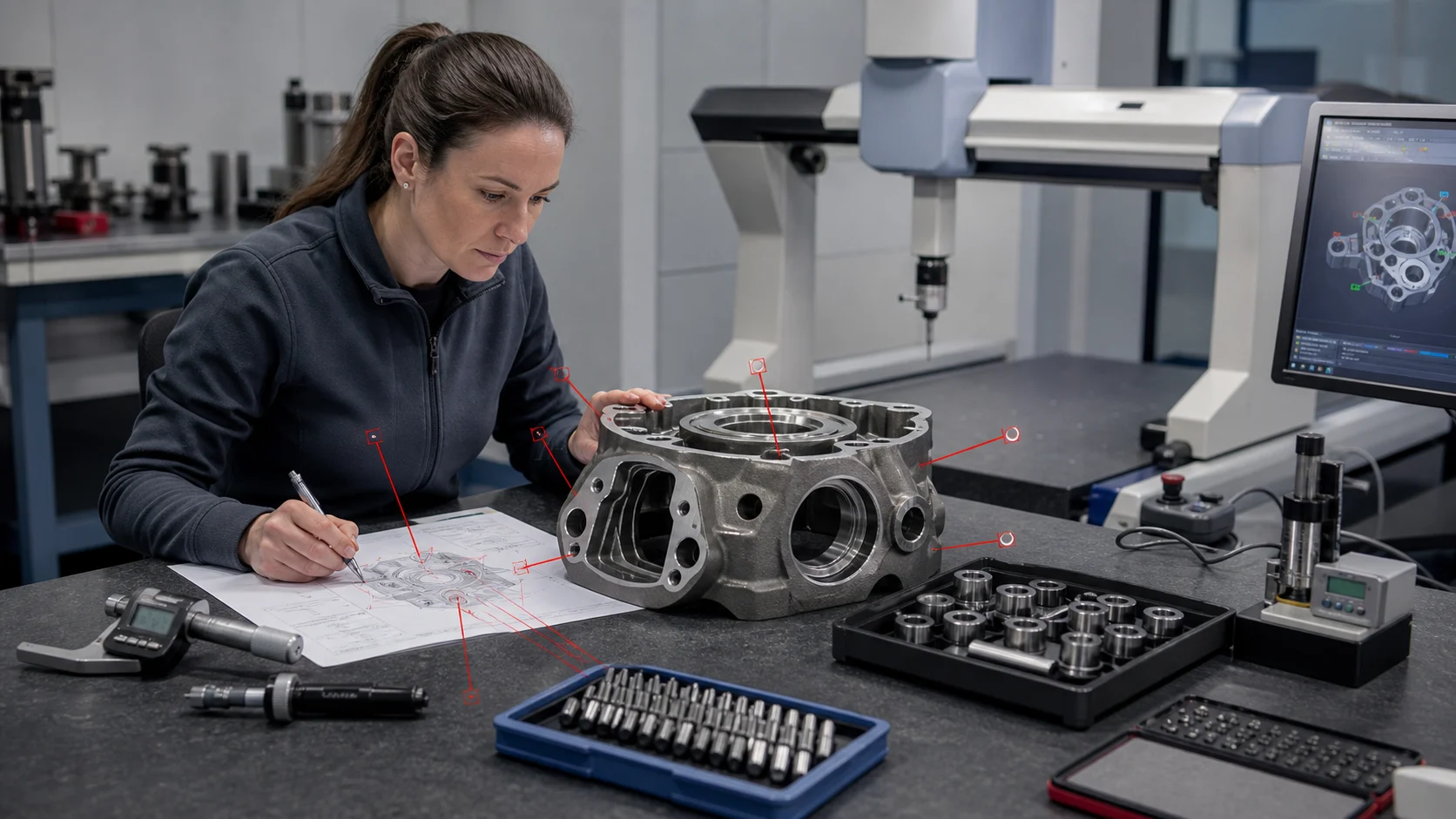
An inspection plan is not a list of dimensions. It is a controlled decision system connecting product risk, measurement capability, sampling, evidence, and reaction.
A quote-ready weldment package defines the finished assembly, the governing requirements, and the evidence needed to accept it—without forcing the fabricator to invent design intent.
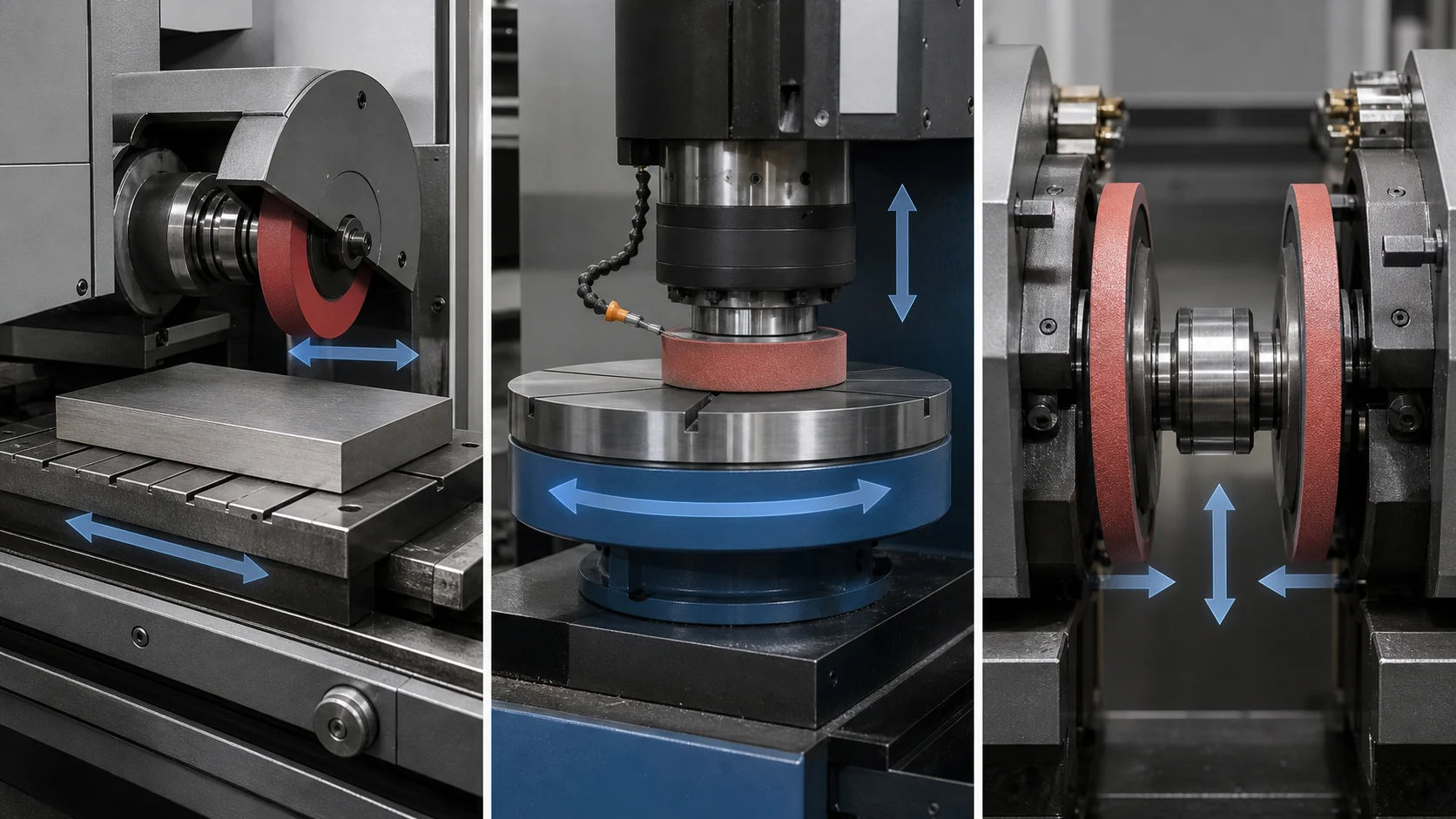
Surface grinding is not one machine configuration. Table motion, spindle orientation, wheel contact, workholding, and whether one or two faces are ground change the process.
Page 1 of 4 · 38 articles