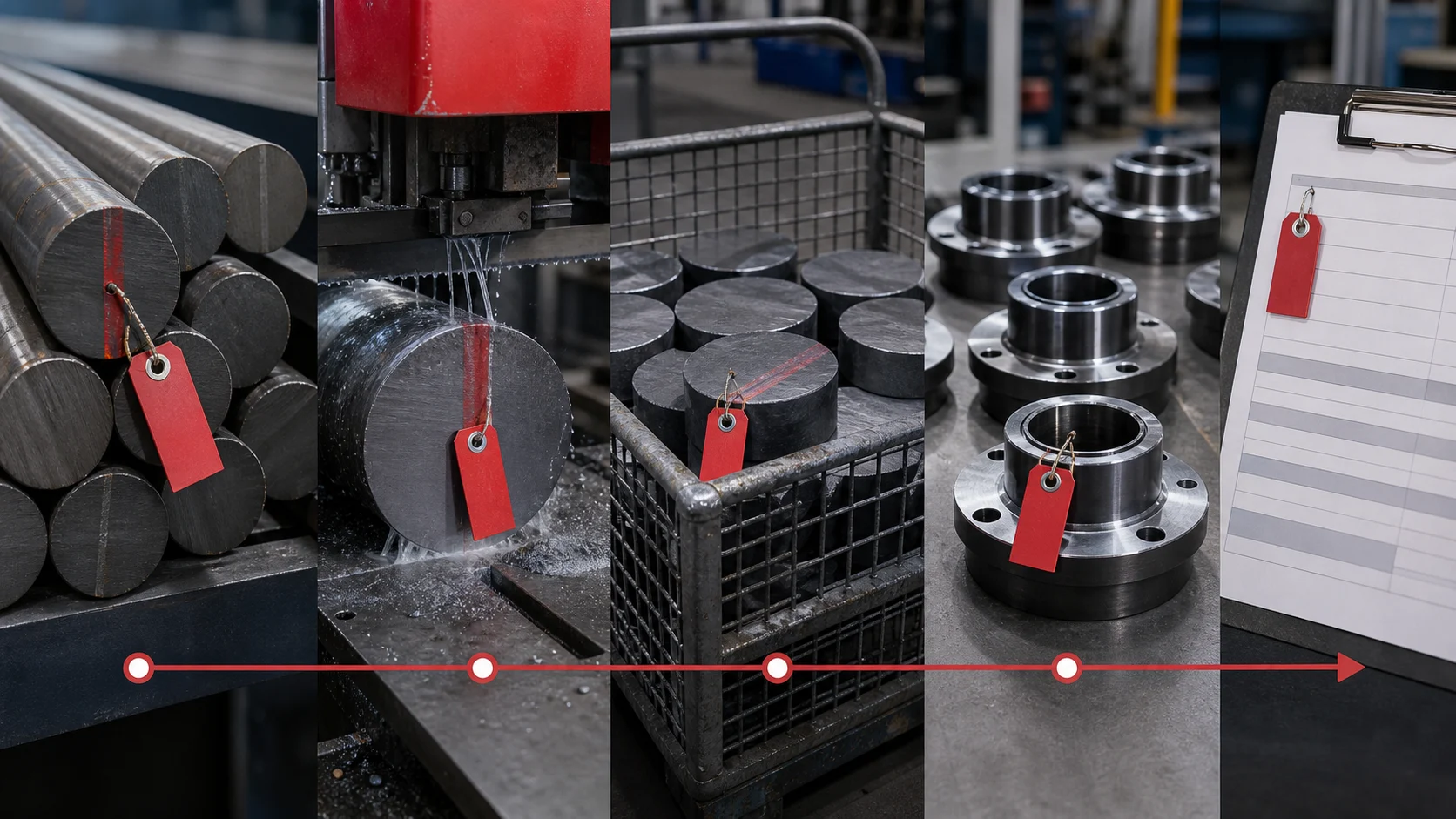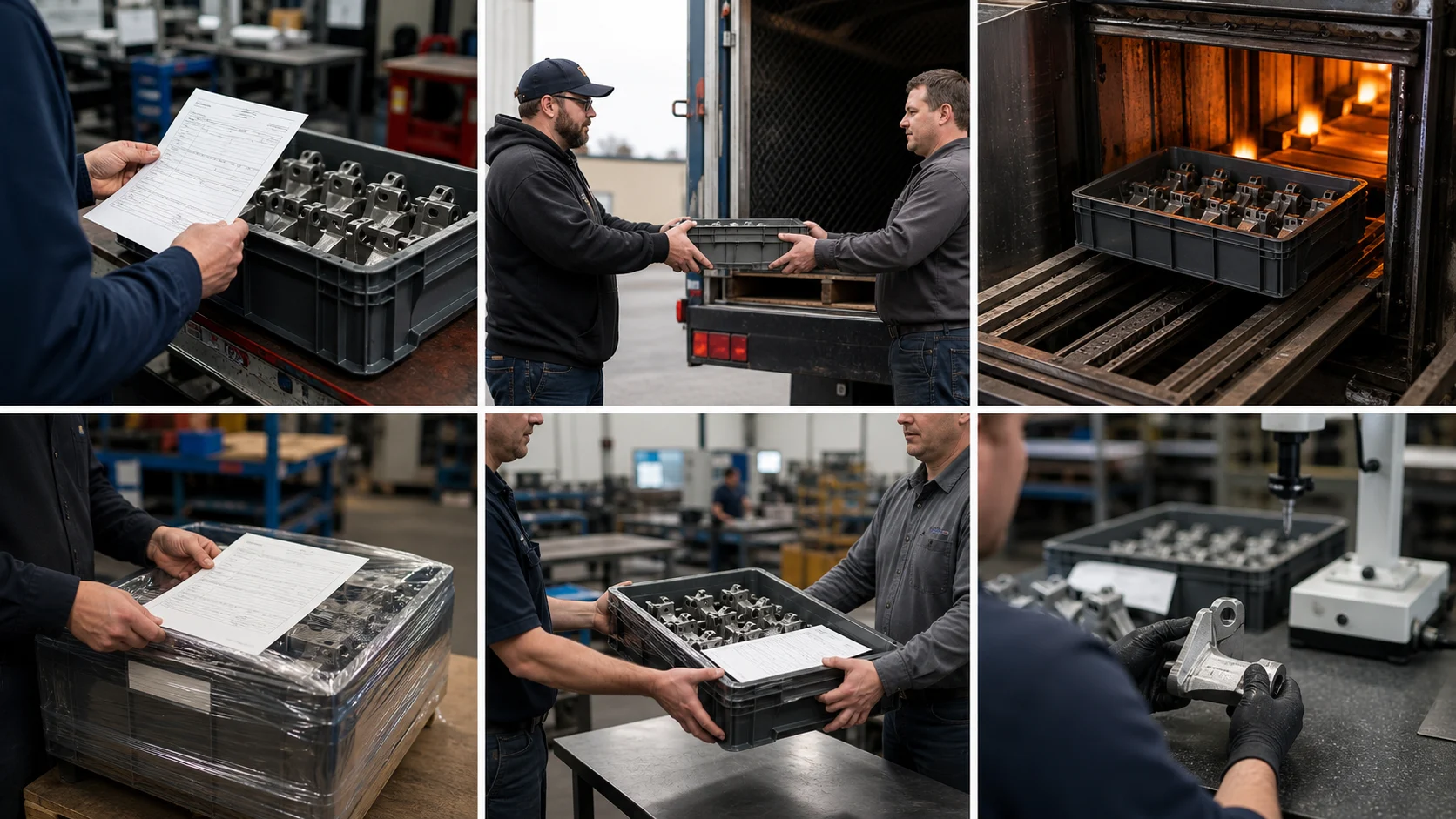
Outside-Process Tracking: Heat Treat, Plating, Coating, and Inspection
“At the vendor” is not a production status. Outside-process control must preserve lot identity, requirements, quantity, location, due date, evidence, and acceptance.
The American Manufacturing Compendium
Practical field guides for choosing processes, qualifying suppliers, defining requirements, and running work across American manufacturing.
“At the vendor” is not a production status. Outside-process control must preserve lot identity, requirements, quantity, location, due date, evidence, and acceptance.
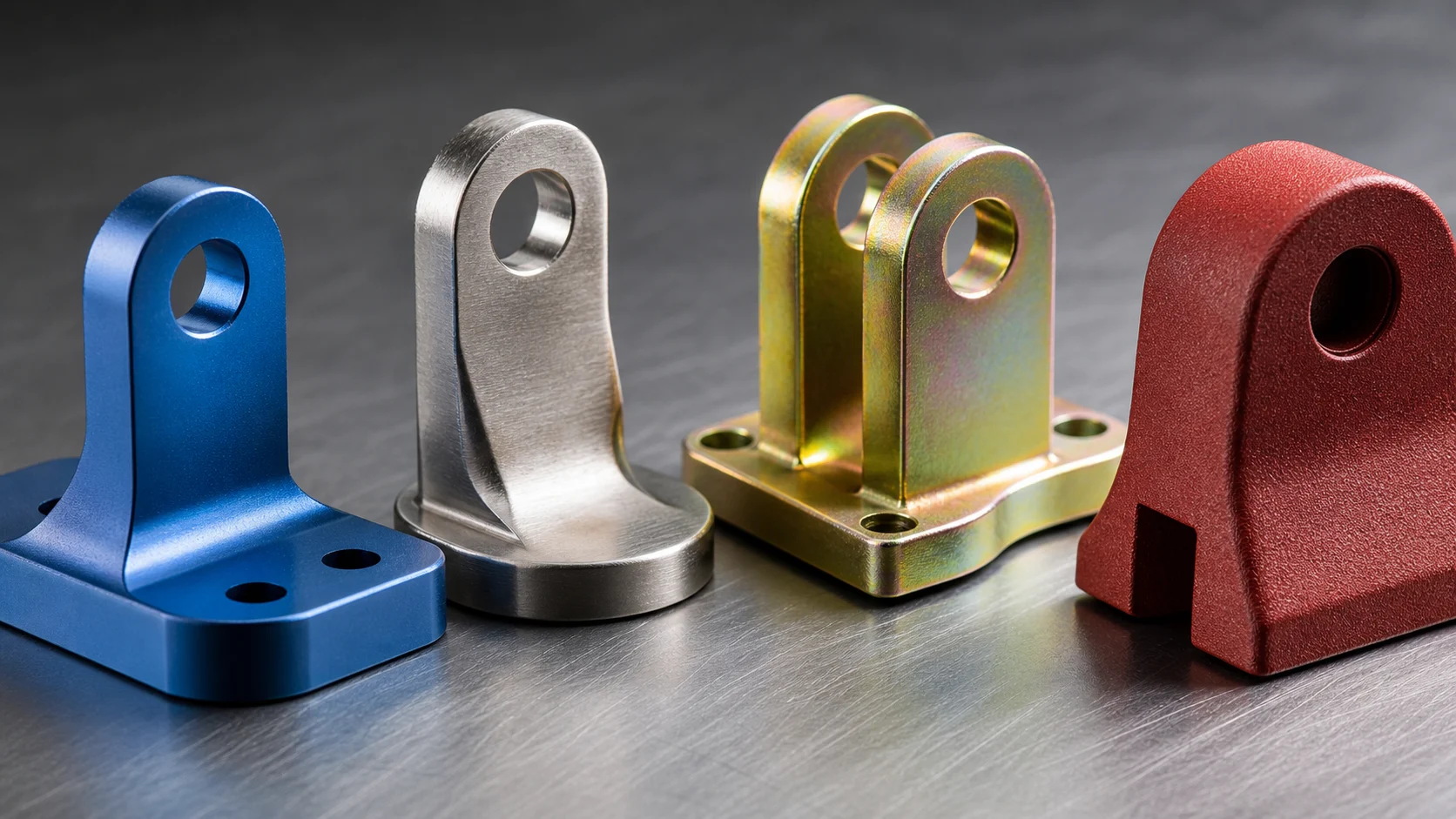
Anodizing, passivation, plating, and powder coating are not interchangeable finishes. They modify or add to different substrates for different functional outcomes.
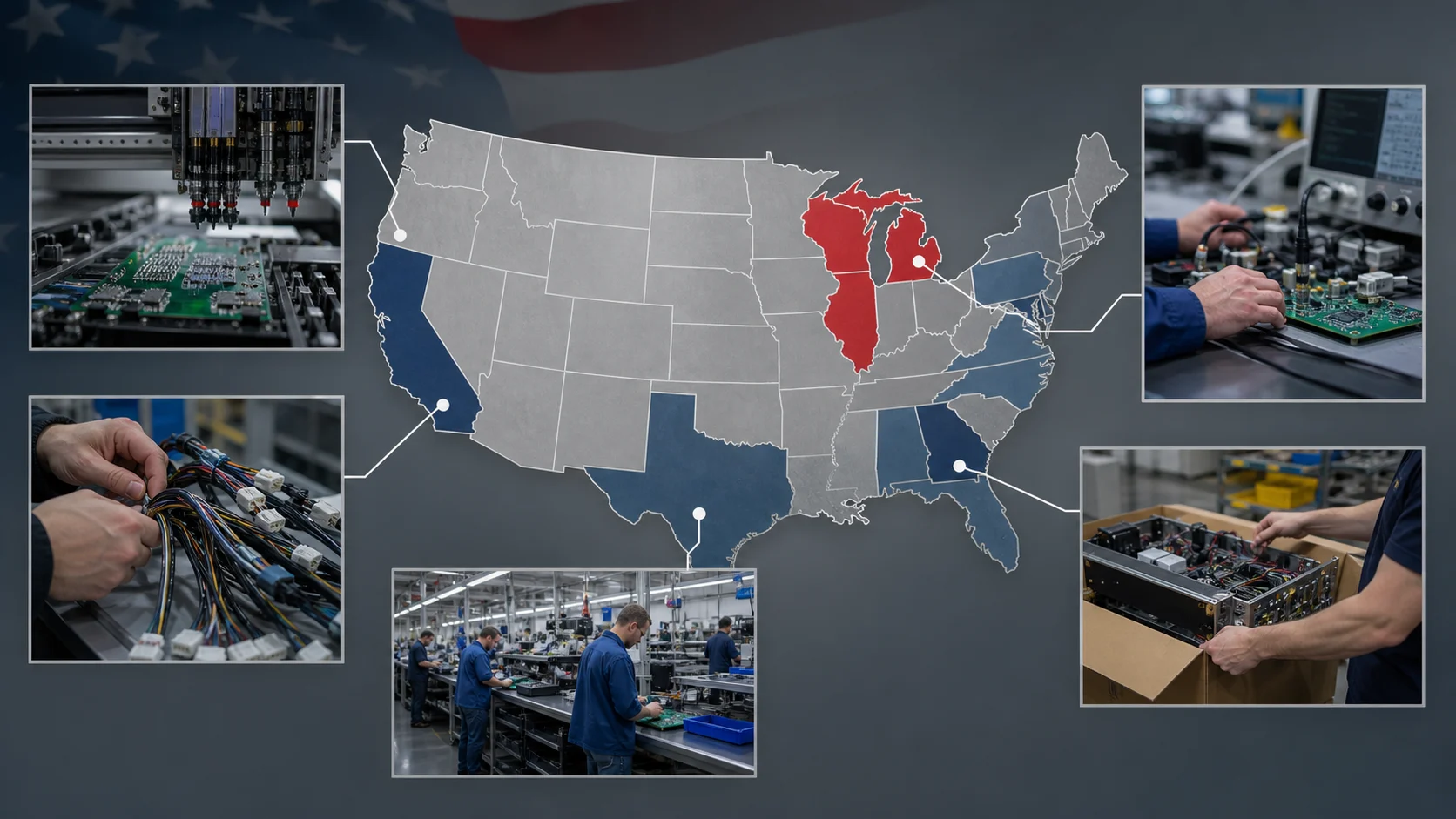
“EMS” can mean prototype PCB assembly, complex box build, cable and harness work, testing, fulfillment, or an entire product lifecycle. Define the service boundary before comparing suppliers.
A valid certificate can establish that a management system was assessed within a defined scope. It cannot prove that your job is understood, capable, controlled, or desirable to the supplier.
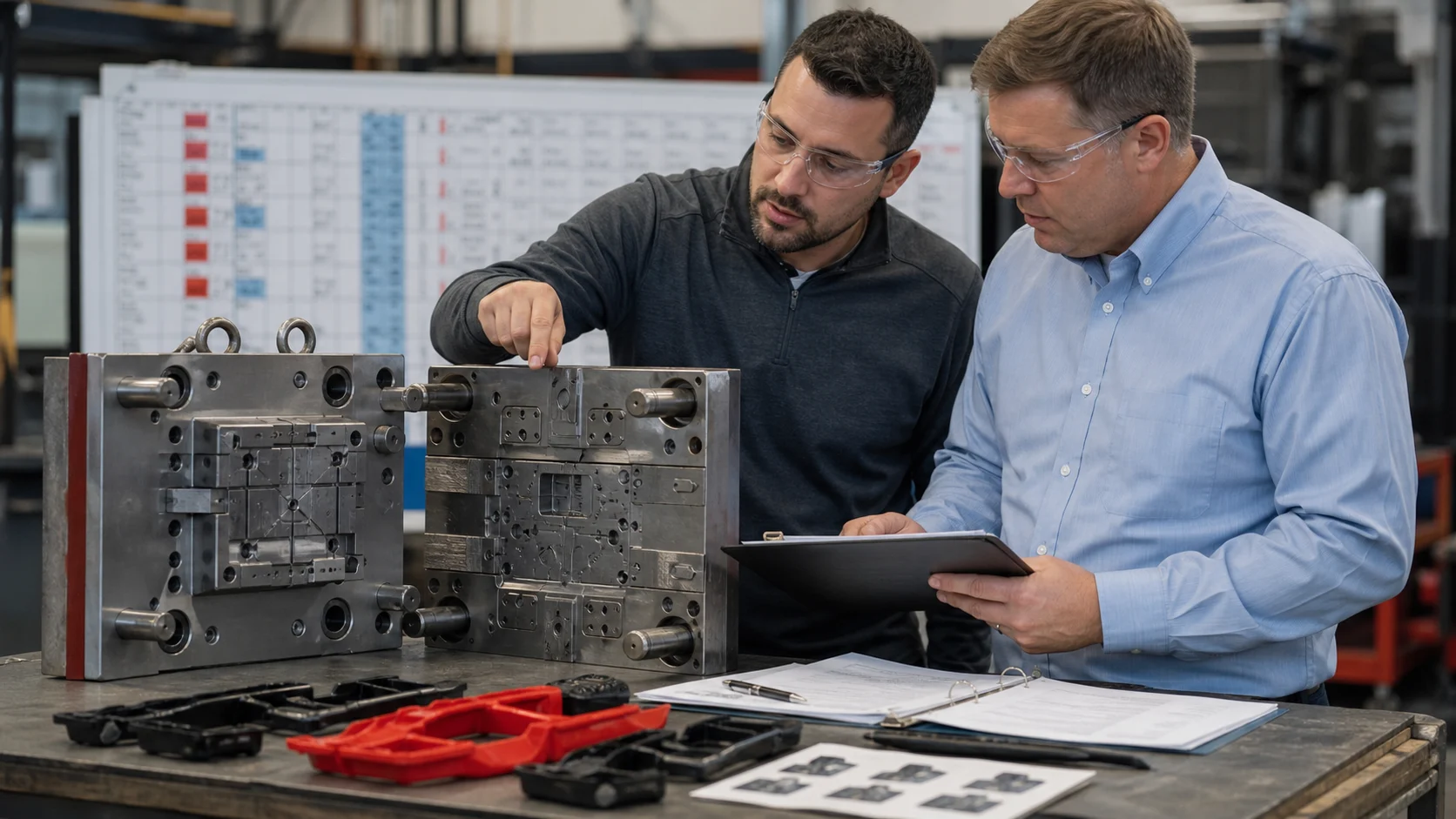
An injection molding supplier is not qualified by press tonnage alone. The mold, resin, process window, automation, validation, maintenance, and release pattern must work as one production system.
Wire, sinker, and hole-drilling EDM use controlled electrical discharges, but their electrodes and access paths make them useful for very different geometry.
A quote becomes dangerous when its assumptions disappear before production. The handoff must convert commercial intent into an executable, controlled job record.
Material traceability fails when identity is separated from the physical material—not when a certificate is missing from a filing cabinet.
The Great Lakes corridor is not one uniform supplier market. Its value comes from overlapping metals, machinery, mobility, tooling, process, and freight ecosystems.
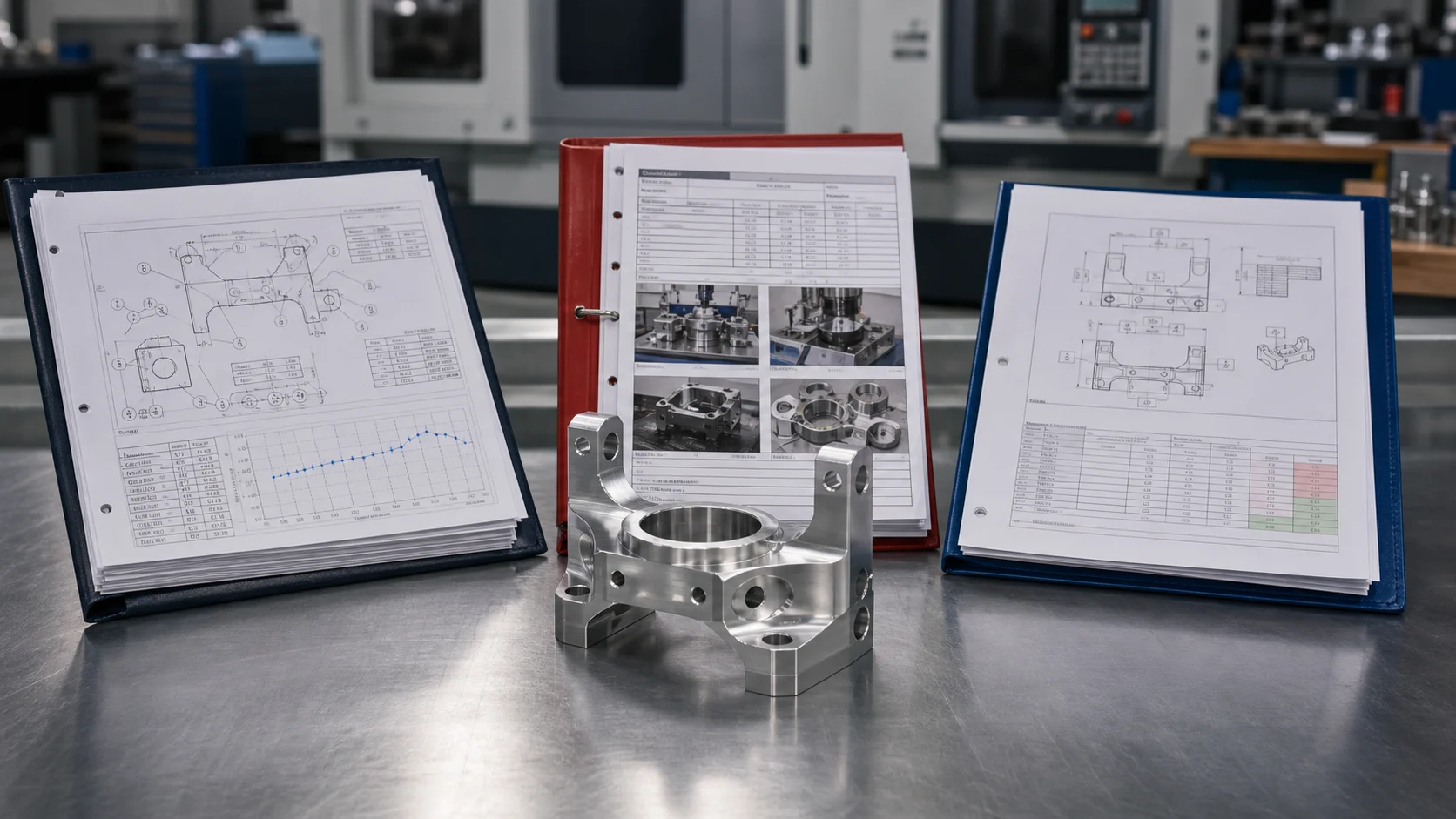
FAI, PPAP, and dimensional reports can contain overlapping measurements, but they answer different approval and manufacturing-control questions.
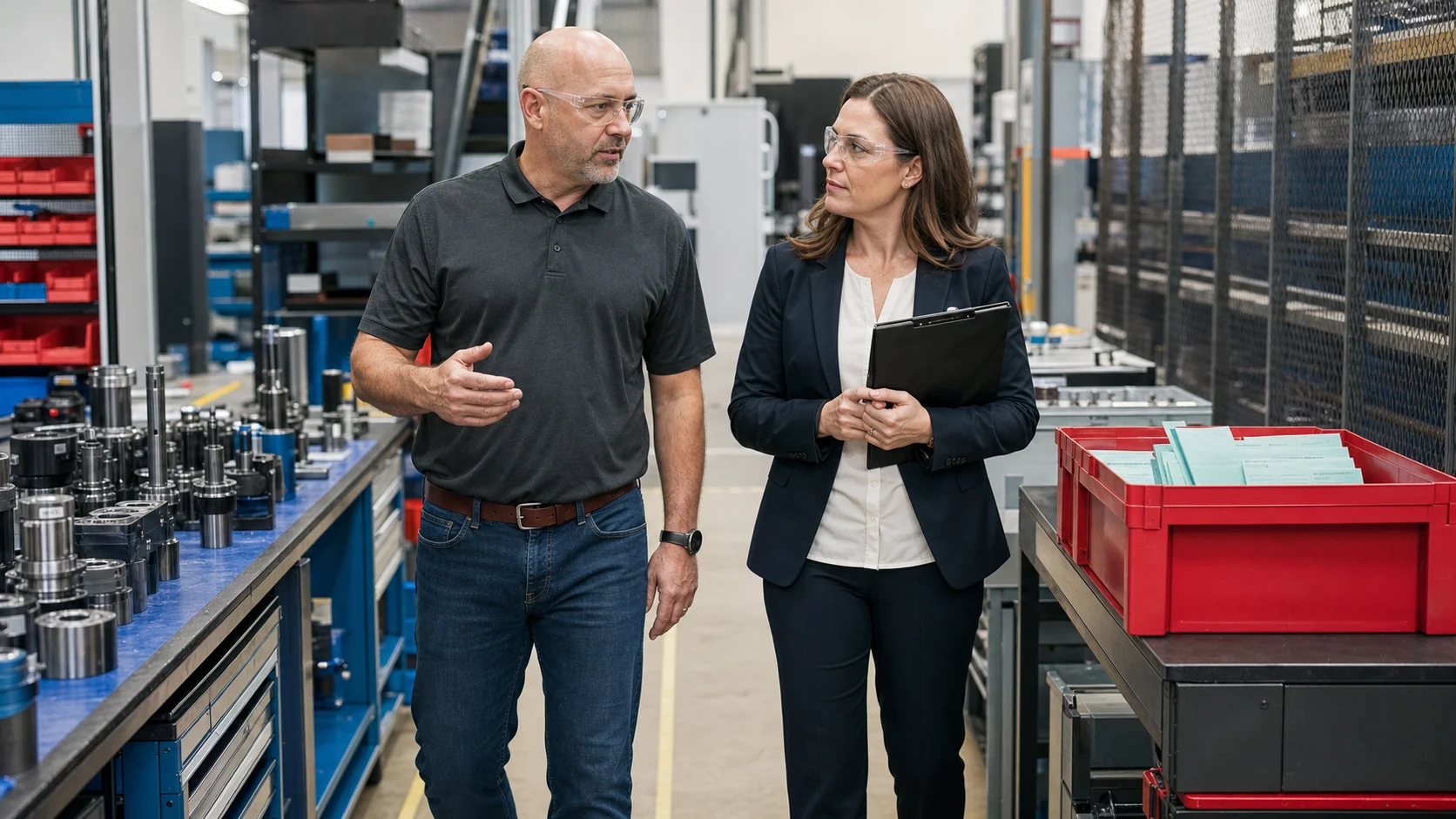
A supplier shortlist should be a testable hypothesis about who can make the work—not a collection of companies whose websites mention the right industry.
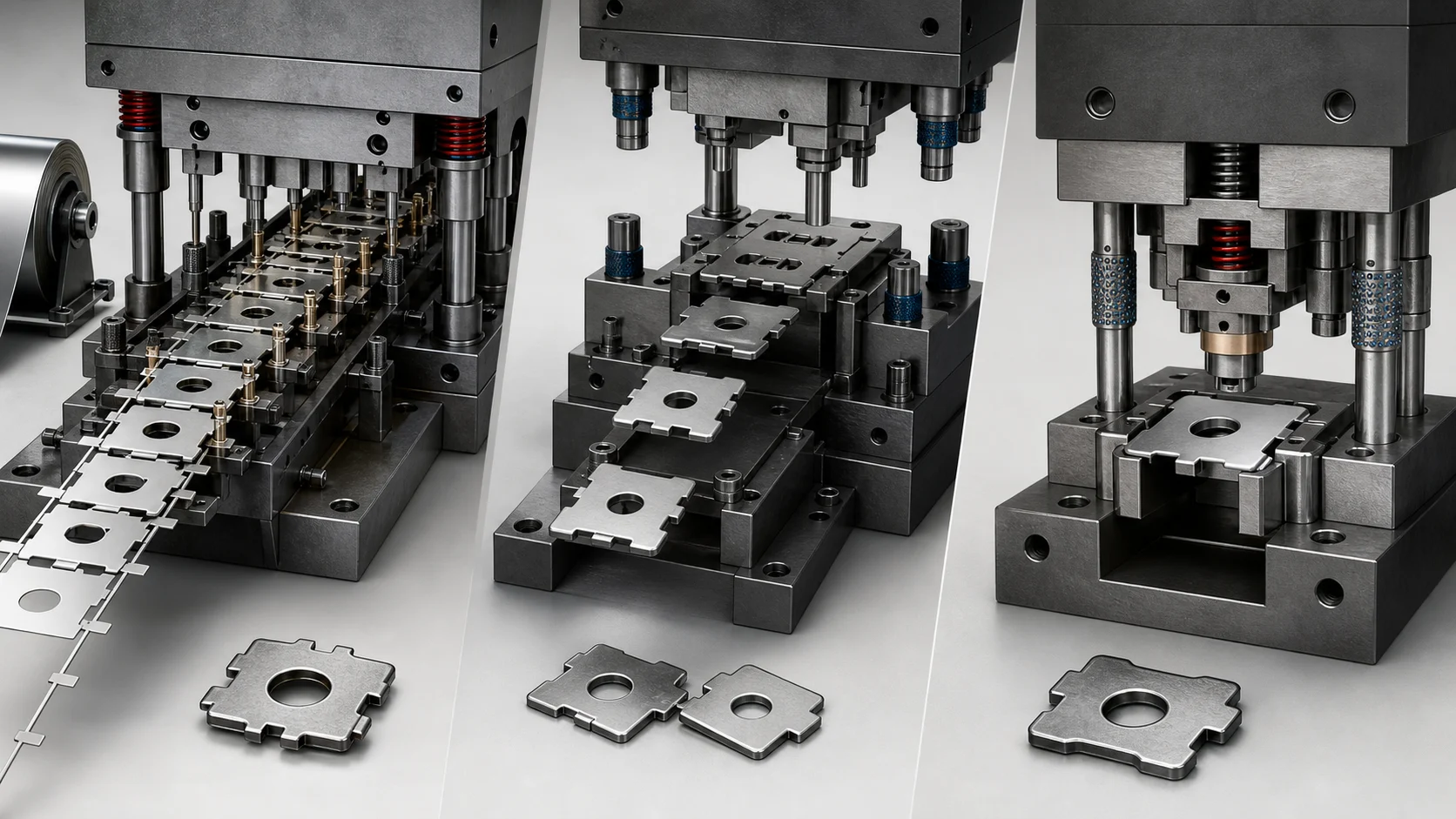
Progressive, transfer, and compound dies do not describe three quality levels. They describe different ways to move material and divide cutting and forming work across a press cycle.
Page 2 of 4 · 38 articles